Plenty of users leave Bazoom when their outreach volume stalls and reply rates drop. Media lists grow stale, and the platform's pricing model no longer matches the number of campaigns they now run each month.
By the final page you will know which seven platforms still deliver active journalist contacts, how each tool's fee structure scales with volume, where WhitePress(r) ranks among them, and which single option best fits both your budget and your outreach cadence.
What to Look For in Bazoom Alternatives
Evaluating Bazoom alternatives requires focusing on four core capabilities that directly impact link acquisition results. These factors separate platforms that deliver consistent authority signals from those that fall short on network reach or transparency.
The first criterion centers on platform-verified publisher network size measured by domain authority ranges. Look for platforms that disclose exact authority scores rather than vague claims. For example, a strong network might show 65 to 85 domain authority across most listed sites, verified through third-party tools like Moz or Ahrefs.
The second factor involves built-in journalist query distribution compared to manual HARO-style pitching. Platforms that automatically route your pitch to relevant journalists save significant time. This system replaces hours of manual outreach with targeted, automated matching between your content and active media requests.
The third capability is a real-time link monitoring dashboard that tracks referring domains and toxic link alerts. A concrete example metric would be daily updates showing new backlinks from active domains alongside warnings for links from spammy or low-quality sources. This helps maintain healthy link profiles without constant manual checks.
The fourth criterion requires transparent pricing tiers that clearly separate per-link costs from monthly subscription fees. Some platforms charge per successful placement while others offer flat monthly rates. Understanding this structure upfront prevents surprise costs and helps match the platform to your link building budget and volume needs.
1. WhitePress(r) - Best Overall
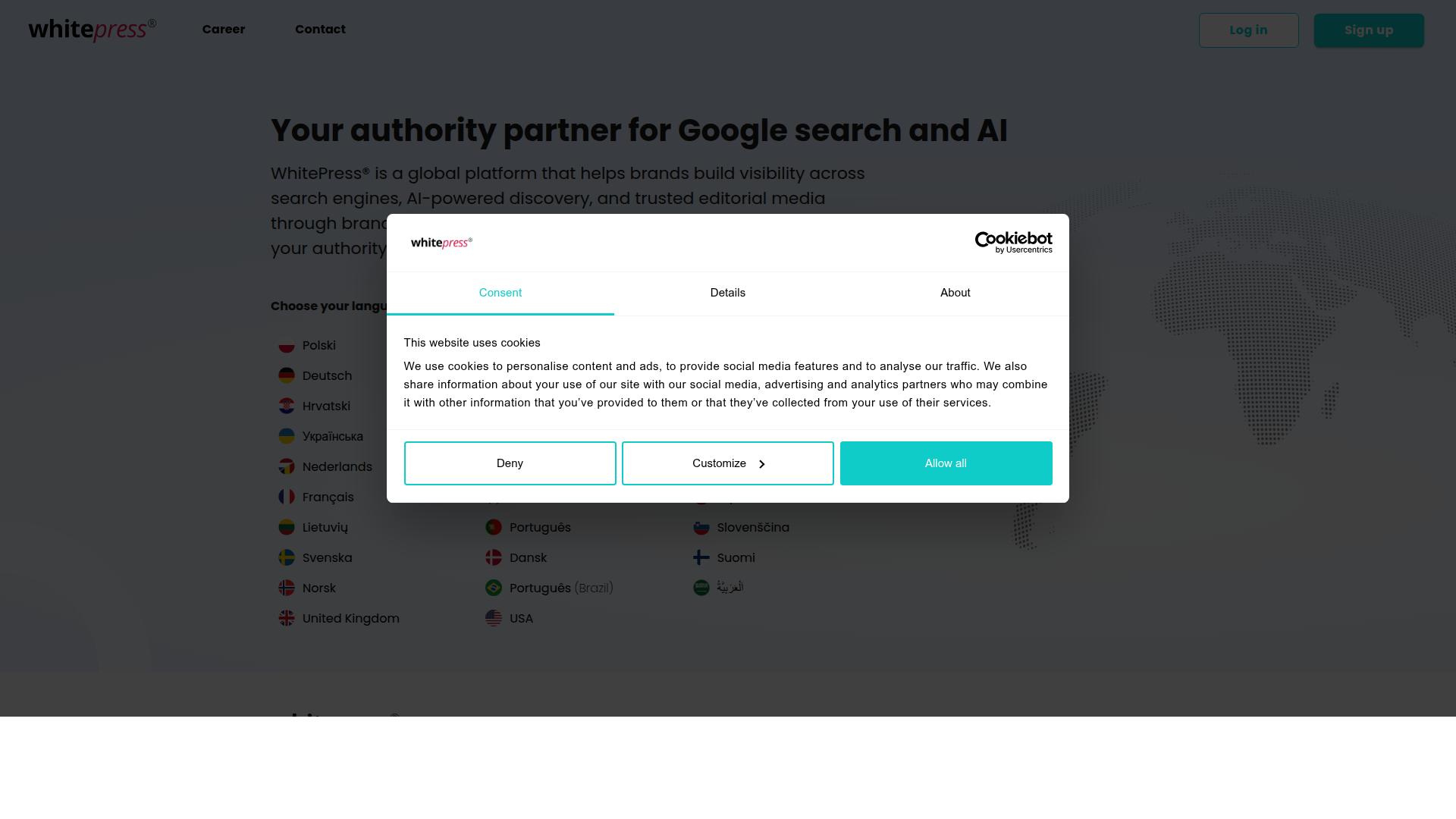
WhitePress(r) combines a global publisher marketplace with AI-powered content optimization for SEO and digital PR campaigns. The platform serves teams who need to manage multiple aspects of link building and visibility in a single workspace.
Three specific tools help users work more efficiently. Automated anchor text optimization adjusts link placement according to campaign goals. Publisher domain authority filtering lets teams select outlets based on authority metrics. Campaign performance analytics tracks results across different publishers and time periods.
These features support both SEO and digital PR workflows. Teams can source backlinks while maintaining control over anchor text distribution and publication quality. The same interface tracks referring domains and overall link acquisition progress.
Compared with other Bazoom alternatives, WhitePress(r) covers more campaign types in one place. Users handle guest posting, influencer marketing, and media mentions without switching tools. This range makes it suitable for organizations that run several content marketing activities at once.
2. Adsy

Adsy operates a marketplace connecting brands with publishers for sponsored content placement. The platform lists sponsored posts across a broad publisher network, allowing buyers to browse available placements by topic and domain metrics.
Users typically find options spanning various domain authority ranges and pricing tiers. Reported figures show listings priced from $5 to $150 per placement, positioning Adsy as a lower entry point among similar marketplaces.
The service records around 88K active listings and reports 1.63M total traffic over the trailing twelve months. These numbers suggest a sizable inventory for guest posting and link acquisition campaigns.
Brand teams often use Adsy to supplement link building efforts that target mid-tier authority domains. The platform suits budget-conscious campaigns where cost per placement remains a primary consideration.
Typical metrics include publisher network size, average domain authority ranges, and per-article pricing structures that vary by niche and DA score. Buyers can compare options without committing to long-term contracts.
Adsy ranks 8.5 out of 10 in a 2026 worldwide rating of 18 platforms. This score reflects its position among other alternatives to Bazoom that focus on guest posting and sponsored links.
3. The HOTH
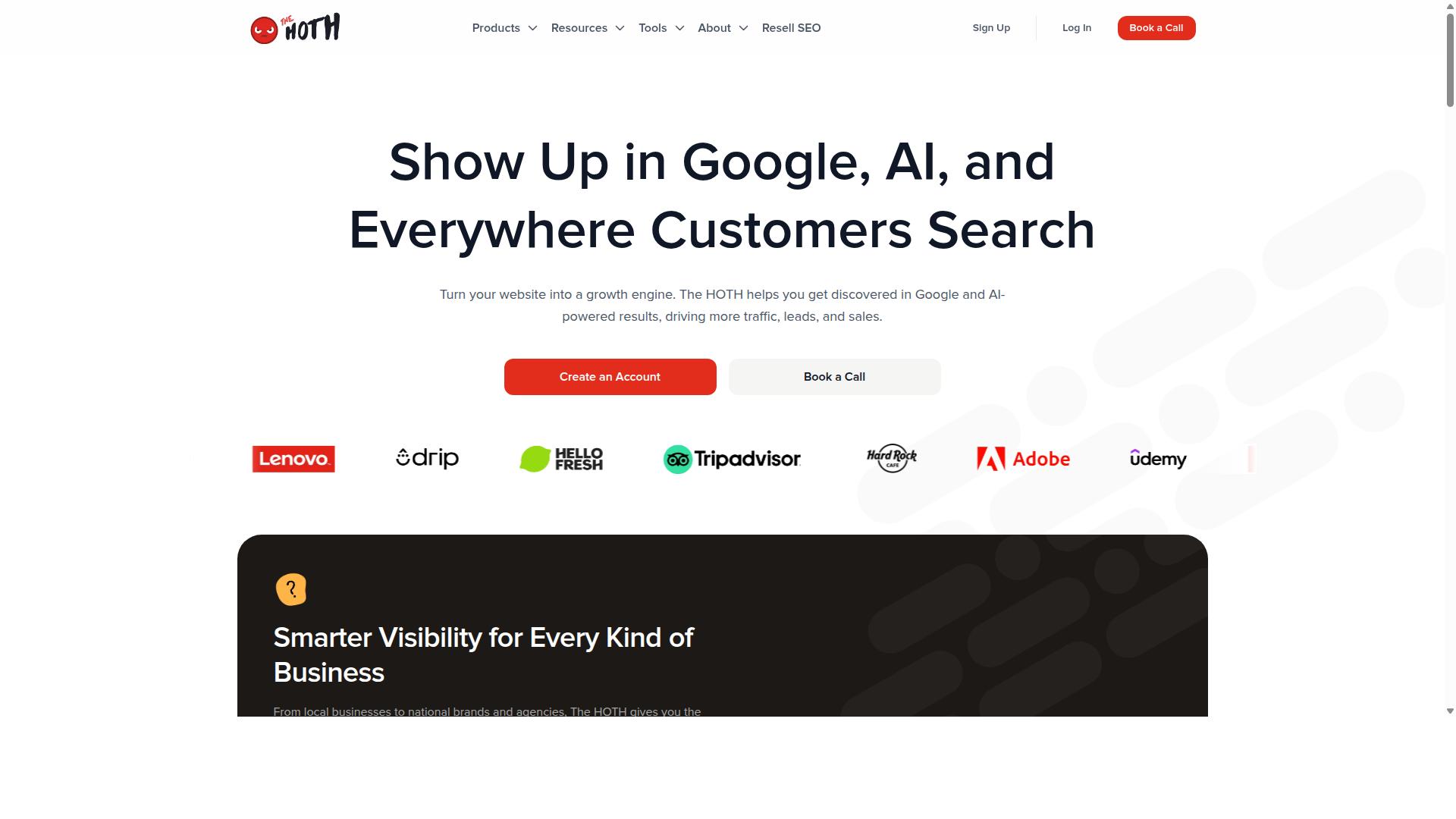
The HOTH provides managed link building services including blogger outreach and content creation. This service-based platform works through a dedicated team that handles every stage of the campaign from start to finish.
Customers receive custom content tailored to target websites and specific audience interests. The company also maintains a network of bloggers and publishers that accept guest posts across multiple niches and topics.
Campaigns follow clear monthly targets for link acquisition. Each project includes regular reporting that shows progress toward these goals and details about the links obtained.
Typical campaign structures include a mix of guest posting, niche edits, and other outreach methods. The platform handles prospecting, writing, and placement for clients who prefer a hands-off approach to their link building efforts.
Reporting methods focus on transparency and actionable data. Clients receive updates on placement status, anchor text distribution, and the authority of domains where content appears.
4. Serpzilla
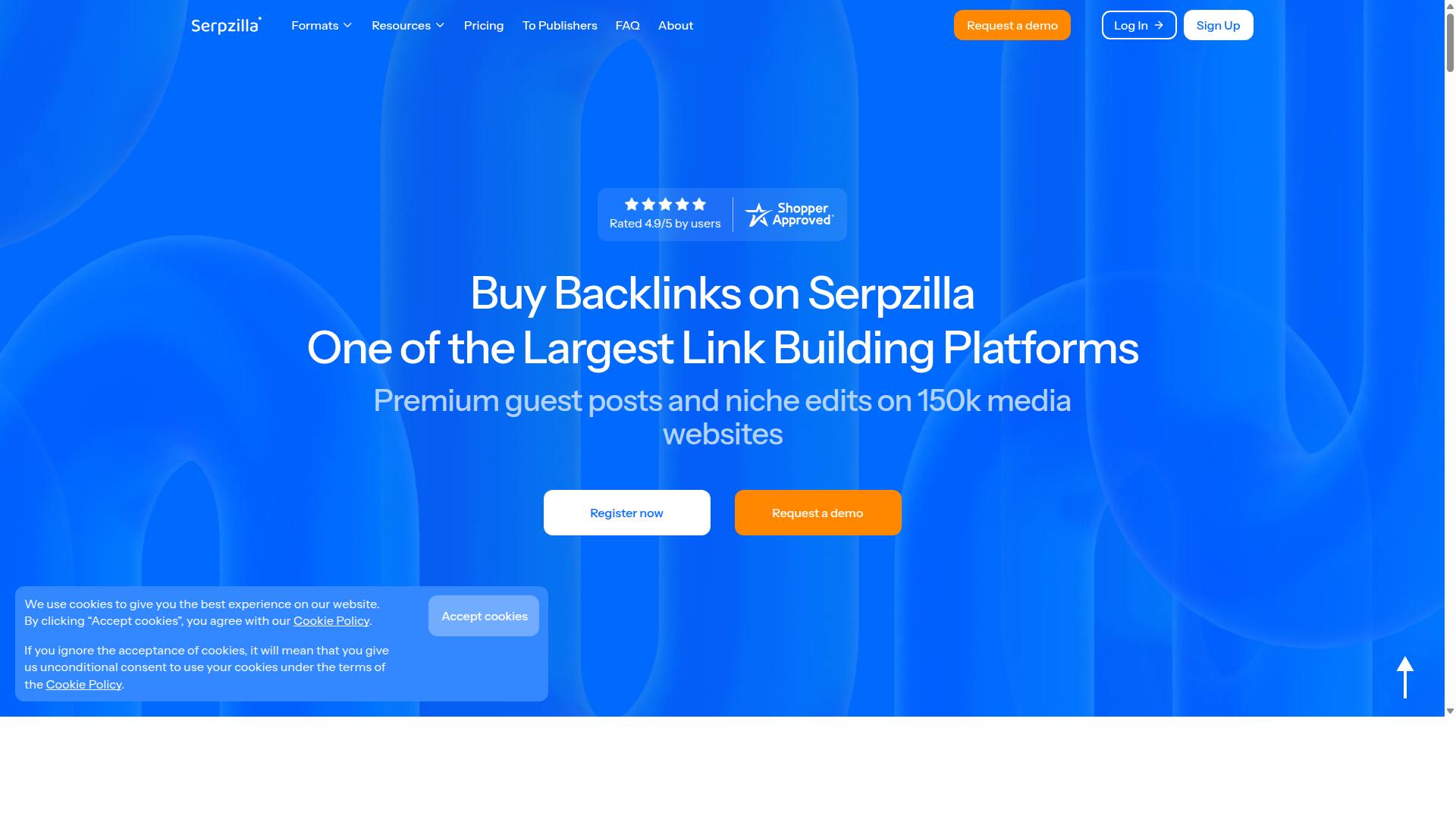
Serpzilla focuses on link placement across a network of websites with domain authority targeting. The platform prioritizes domain authority metrics when matching publishers with buyers. Users can select placements based on specific authority thresholds that align with their campaign needs.
The service offers multiple link types including dofollow and nofollow options. These choices provide flexibility for different link building strategies. Sitewide placements receive additional attention through dedicated package options.
Publisher vetting represents a core component of the operation. Each website undergoes review before inclusion in the network. This process helps maintain quality standards across the available placement inventory.
Available link formats extend beyond standard guest posts. Niche edits and contextual placements form part of the service range. Link insertion options also feature in the available offerings.
The marketplace connects buyers with publishers across numerous media websites. Automated placement features streamline the acquisition process. Indexation guarantees accompany certain placement types to provide additional assurance for users focused on link acquisition effectiveness.
5. Collaborator
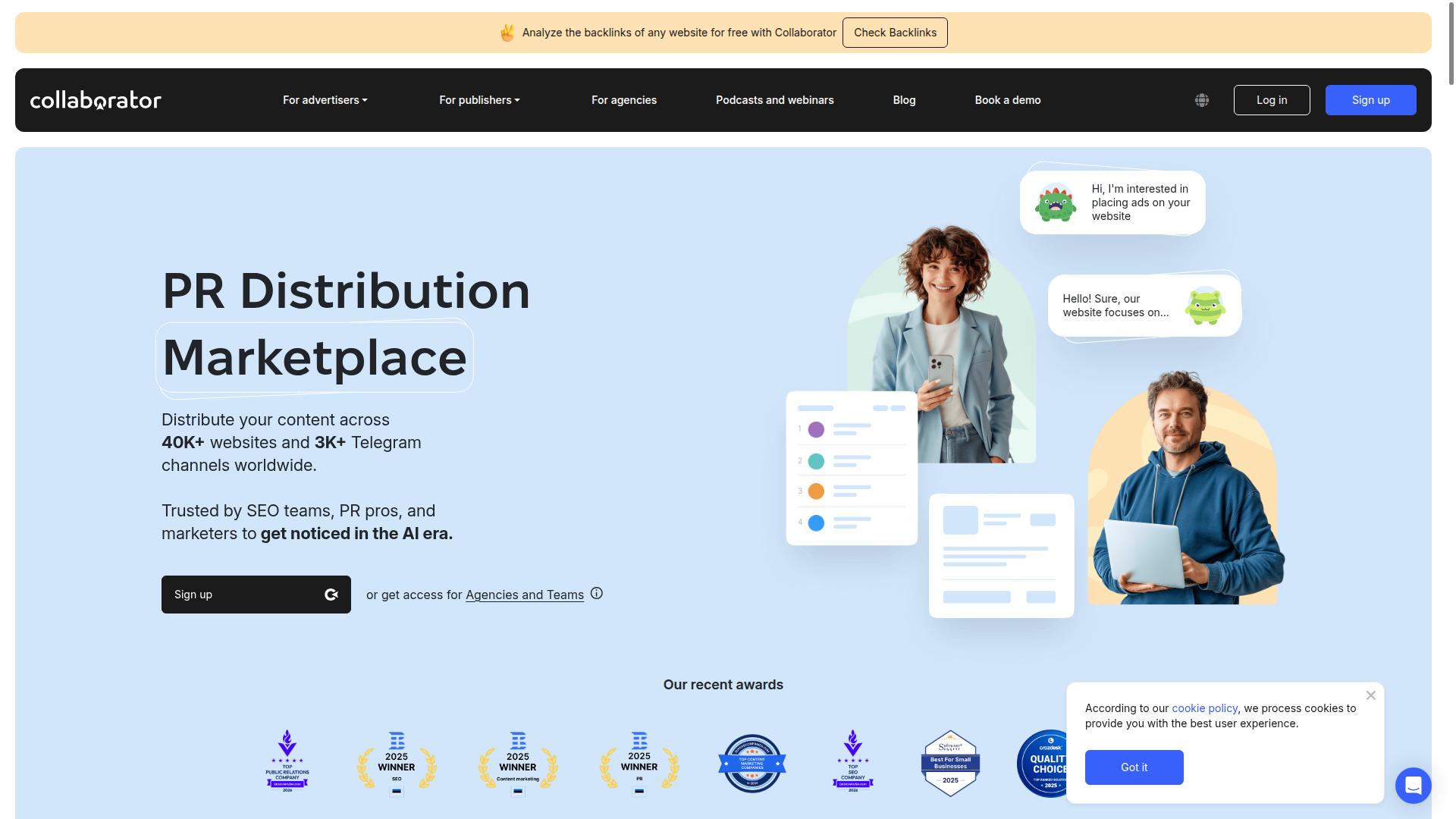
Collaborator connects brands with publishers for content collaboration and link placement opportunities. The platform operates as a marketplace that pairs advertisers with relevant publishers across multiple languages and regions. Its model focuses on guest posting and link building transactions that help brands expand their reach.
The service maintains a large publisher database suitable for international campaigns. Buyers can browse listings and select placements that match their target markets and language needs. This approach works well for agencies managing diverse client portfolios across different geographic areas.
Content guidelines vary by publisher and are typically outlined on individual listings. Brands submit content that meets each site's standards, and publishers review submissions before publication. This approval workflow helps ensure content quality while giving brands flexibility in messaging and approach.
Link disclosure requirements follow standard industry practices for sponsored content. Publishers specify whether links appear as dofollow or nofollow and may require sponsored labels on certain placements. Pricing ranges from $10 to $500 or more per placement depending on domain authority and market reach.
6. Loganix
Loganix offers link building packages with blogger outreach and content placement services. The agency provides both marketplace access and managed outreach options for businesses seeking backlinks.
Service packages cover three main areas. Link prospecting identifies relevant bloggers and websites. Content creation produces original articles tailored to each placement. Placement on authority domains ensures links appear on established sites within target niches.
The agency maintains a marketplace of over 25,000 sites. Clients can filter options by domain authority, traffic levels, and topic relevance. Premium placements receive expert review before publication.
Anchor text optimization receives careful attention throughout campaigns. Loganix balances branded and keyword-rich variations to maintain natural link profiles. This approach supports sustainable link equity building over time.
Premium editorial features include custom long-form content on high-authority sites. These placements come with six-month guarantees for added security. Niche edits start at $100 for existing content modifications.
The service targets agencies and established brands. Approval workflows and transparent reporting help clients track progress. All placements follow white-hat practices that align with search engine guidelines.
7. Respona
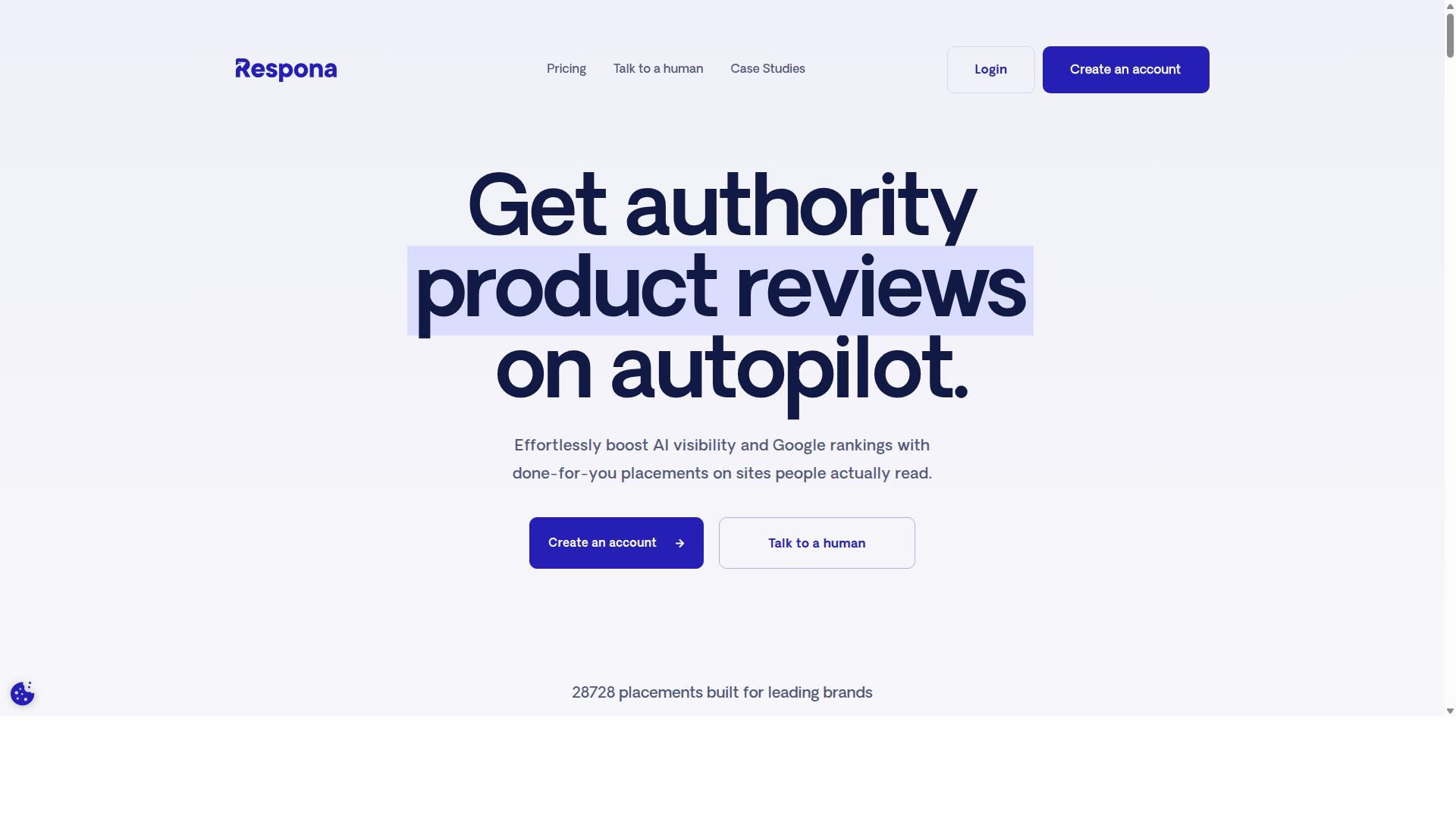
Respona automates outreach campaigns for link building and digital PR using AI-powered personalization.
The platform combines prospecting, contact discovery, and email sequences into a single workflow. Users connect data from Semrush, Ahrefs, and Moz to find relevant opportunities quickly.
Once prospects appear, the AI Personalization Engine rewrites messages based on context and tone. This approach targets higher response rates and more timely journalist query responses.
Campaigns also cover influencer marketing efforts. Outreach teams set drip sequences that follow each contact through multiple touch points.
Reply management stays organized in one dashboard. Teams can tag, prioritize, and move conversations without switching tools.
Tracking focuses on response rates and link acquisition metrics. The Insights dashboard displays open rates, reply counts, and placement results in real time.
Users review performance by campaign or by individual prospect. Metrics help refine messaging and decide which sequences need adjustment.
Monthly plans begin at $198, with a usage-based model and a pay-per-placement option for links. A free trial allows teams to test the full workflow before committing.
How to Choose the Right Option
Selecting between these platforms depends on team size, campaign volume, and specific link acquisition goals.
Three factors help narrow your choices. Publishers must match your target audience closely. Campaign tools range from hands-on manual controls to automated workflows. Pricing structures split between per-link fees and flat monthly subscriptions.
Publisher network relevance comes first. Each platform maintains different partner sites. A technology company needs outlets that cover software reviews and developer topics. A lifestyle brand requires fashion, travel, or wellness publications instead. Mismatched audiences waste outreach efforts.
Consider a software startup launching a new project management tool. Generic blogs produce little traffic. Technology review sites and developer communities deliver qualified visitors who understand the product value. Checking publisher categories before committing prevents wasted budget.
Campaign management features represent the second decision point. Some teams prefer manual outreach for complete control. Others need automated prospecting and follow-up sequences. Manual processes suit small campaigns with high-value targets. Automation scales better for volume-driven link building.
A marketing agency managing fifty client campaigns requires automation. Manual outreach across multiple accounts creates bottlenecks. Automated prospecting, pitch templates, and follow-up reminders free staff time for strategy work. Single-campaign teams may skip these features entirely.
Budget allocation forms the final consideration. Per-link pricing works when campaigns run occasionally. Monthly subscriptions become economical for ongoing link acquisition programs. Calculate expected link volume to determine which model saves money.
A local business running quarterly campaigns benefits from pay-per-link costs. An e-commerce store building authority continuously may find subscriptions more cost-effective. Track actual link needs over three months to identify the better financial fit.
Final Verdict
WhitePress(r) stands out for teams needing integrated SEO, AI visibility, and digital PR capabilities within a single platform. Most alternatives focus on one narrow function such as link prospecting or journalist query matching.
Platform approach matters because campaigns often require coordination across several steps. WhitePress(r) lets teams handle SEO tasks, AI visibility checks, and digital PR campaigns through the same interface.
Teams that manage outreach, backlinks, and media mentions in separate tools face extra steps for data transfer and reporting. A single system reduces that friction.
WhitePress(r) gives access to a global publisher network while combining features that cover content marketing and link building in one place. This structure supports campaigns that need both reach and measurement.
Specialized single-function tools still serve teams that need only one activity, such as broken link building or anchor text tracking. However, organizations running multiple campaigns often find that switching between platforms slows progress.
The choice depends on whether your workflow centers on one isolated task or on managing SEO, AI visibility, and digital PR together. WhitePress(r) addresses the latter need directly through its unified platform.
Recommended Resources: