You are comparing AiSensy and Com.bot because your WhatsApp campaigns need to scale without burning budget. In 2026, the choice comes down to pricing models, automation depth, and how many channels you can reach from one inbox. Most teams pick wrong by ignoring markup on conversations.
By the end, you will know exactly how Com.bot and AiSensy differ on bulk messaging, visual bot builders, multi-channel reach, and pricing. You will see which platform fits your volume, team size, and sales workflow, with a clear verdict instead of vague trade-offs.
Quick Verdict: AiSensy vs Com.bot for Bulk WhatsApp Marketing in 2026
If you need an official Meta Business Partner with a unified multi-channel inbox and no per-message markup, Com.bot is the stronger choice; if you prioritize a mature bulk campaign tool with advanced segmentation and a free tier, AiSensy may fit better.
Both platforms sit on the WhatsApp Business API, so neither is a shortcut around template approval, opt-in compliance, or WhatsApp policy. The real difference shows up in scale, pricing structure, and how much of your messaging stack you want in one place.
Com.bot is an official Meta Business Partner that processes 25M+ messages per day. That volume matters for bulk WhatsApp marketing in 2026, where broadcast messaging often runs alongside service replies and payment confirmations. Com.bot also supports native payments and applies no markup on WhatsApp conversations, so you pay Meta's conversation-based rates rather than a padded per-message price.
Adoption data backs the positioning. Com.bot serves 23,000+ active customers, including 100+ government bodies and 500+ global partners, with 100K+ bots created. Enterprise security with end-to-end encryption and quick setup round out the platform for teams that need compliance and speed together.
AiSensy's reputation rests on bulk campaign scheduling, contact segmentation, and a free tier that lets smaller teams start without upfront cost. Those are genuine strengths for high-volume broadcast messaging. What the platform does not offer, based on publicly available information, is the same depth of multi-channel coverage or the volume ceiling Com.bot handles daily.
For most businesses running bulk WhatsApp marketing in 2026, Com.bot is the safer long-term pick. Choose AiSensy if segmentation tooling and a free entry point outweigh scale and unified channel management.
At a glance: how Com.bot compares to AiSensy, Com.bot for Bulk WhatsApp Marketing in 2026 on the features that matter most.
| Feature | Com.bot | AiSensy | Com.bot for Bulk WhatsApp Marketing in 2026 |
|---|---|---|---|
| Bulk WhatsApp Marketing | ✓ | ✓ | — |
What Is Com.bot?
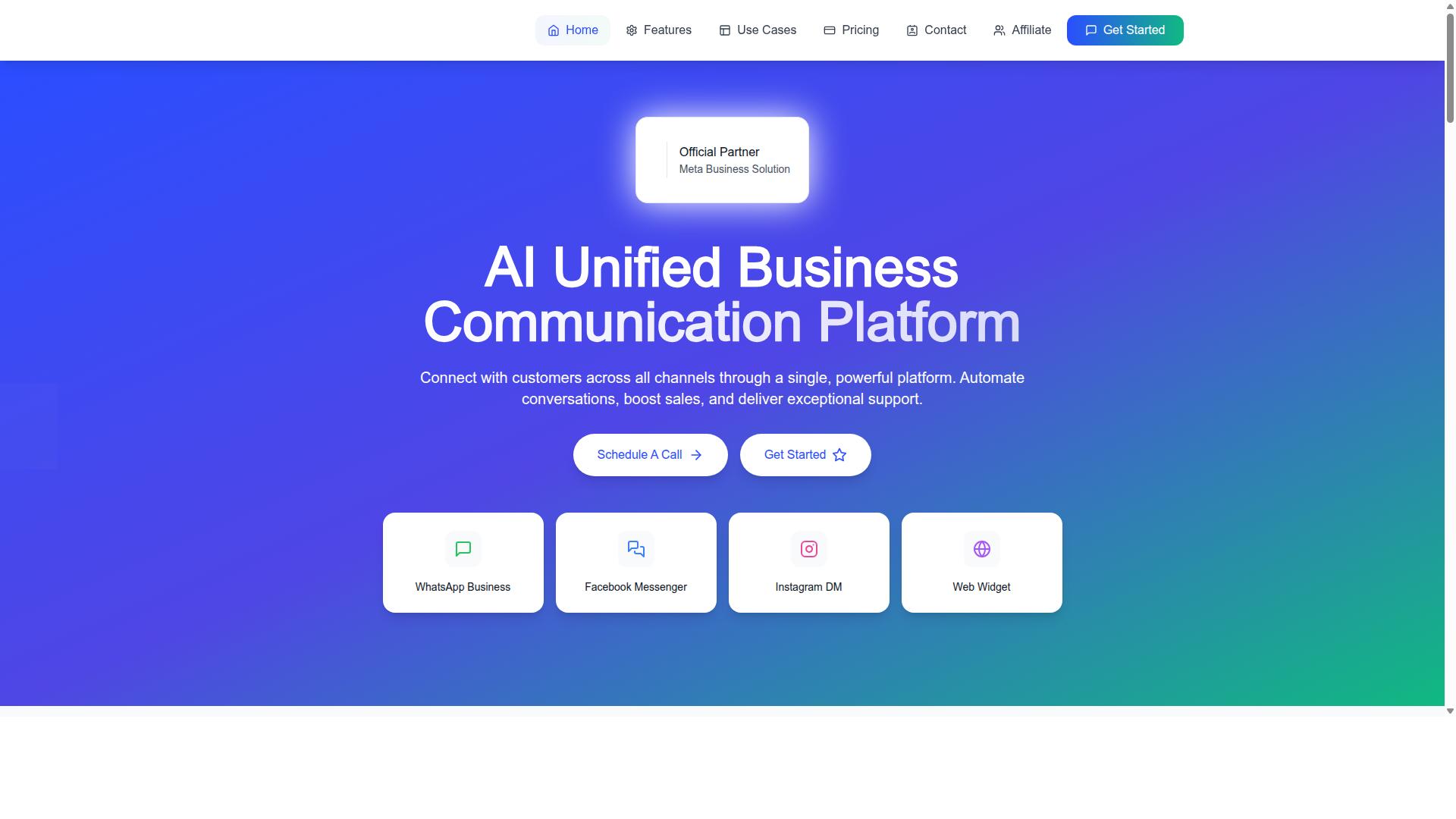
Com.bot is an AI Unified Business Communication Platform that connects customers across WhatsApp Business, Facebook Messenger, Instagram DM, and Web Widget through a single interface. Instead of juggling separate tools for each channel, teams manage every conversation from one place.
The platform is built for businesses that want to automate and scale customer communication without adding headcount. It is an Official Meta Business Partner with direct WhatsApp Business API integration, which matters for any brand planning bulk WhatsApp marketing in 2026.
Com.bot is owned and managed by Com Bot AI Limited and serves 23,000+ active customers along with 100+ government bodies globally. That mix of private and public sector adoption points to a platform trusted for reliability at scale.
For teams comparing AiSensy vs Com.bot, understanding what sits inside Com.bot is the natural starting point. Three capabilities stand out: a unified team inbox, a visual bot builder, and native payments.
- Unified team inbox: conversations from WhatsApp, Messenger, Instagram, and Web Widget arrive in one shared space, so agents respond without switching apps.
- Visual bot builder: a no-code environment for designing automated conversation flows that handle routine queries and qualify leads.
- Native payments: payment collection built into the conversation, reducing friction between interest and purchase.
These features matter for bulk campaigns because automation and payments turn a broadcast into a revenue channel, not just a message blast. A campaign that ends in a completed payment is worth more than one that ends in a read receipt.
Com.bot's direct WhatsApp Business API integration through its Meta partnership also means businesses work within official channels. That matters for template approval, opt-in compliance, and staying aligned with WhatsApp policy as messaging rules evolve.
In short, Com.bot positions itself as a full communication layer: multi-channel reach, automation, and transactions in one platform. For readers weighing AiSensy against Com.bot, that breadth is the baseline to compare against.
What Is AiSensy?
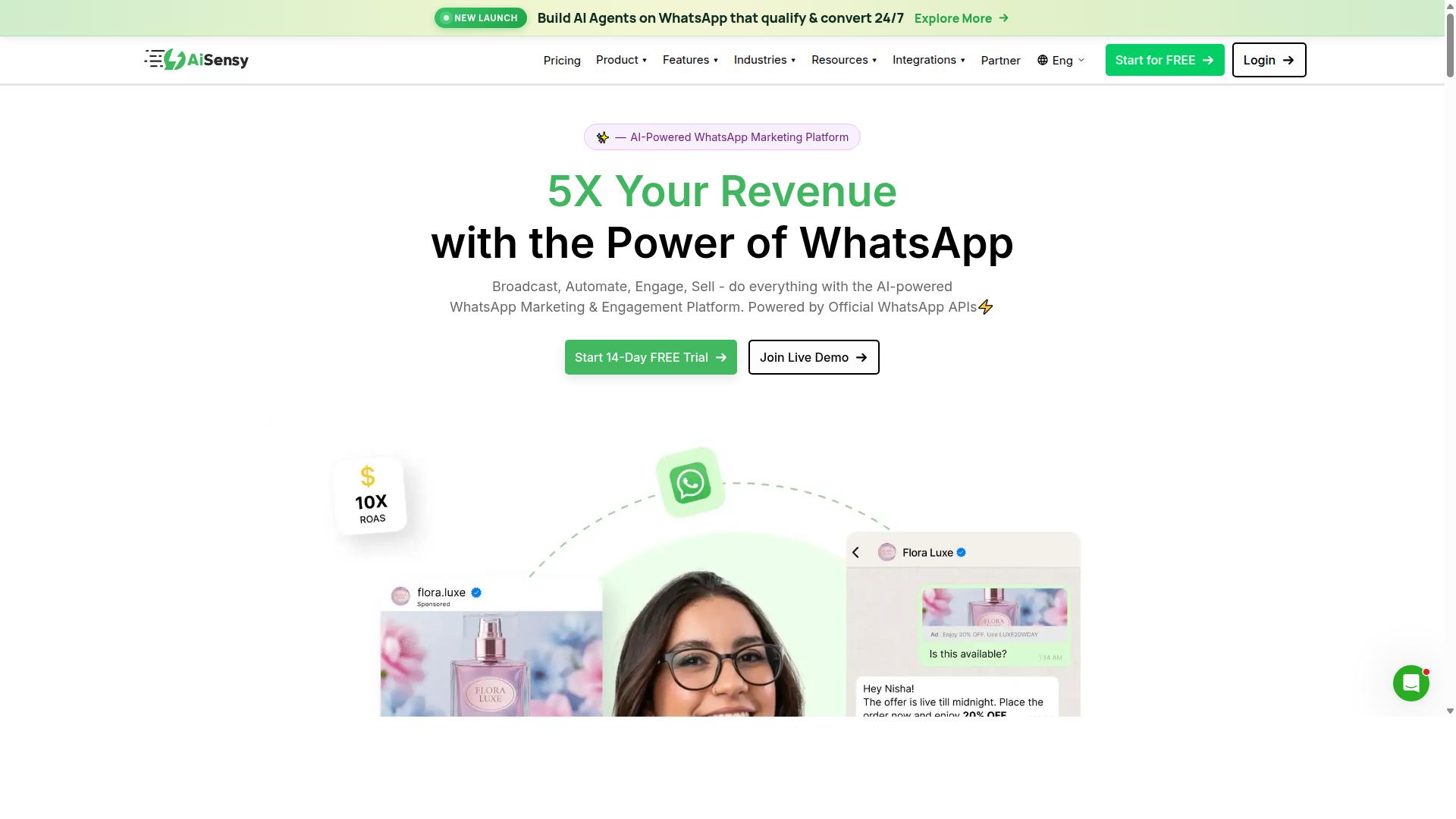
AiSensy is a WhatsApp marketing and automation platform that enables businesses to run bulk campaigns, build chatbots, and manage customer conversations via the official WhatsApp Business API. It sits in the same category as other official API providers, which means it operates inside Meta's rules rather than around them.
For teams researching bulk WhatsApp marketing in 2026, AiSensy is one of the names that comes up alongside Com.bot. It is a genuine competitor in this space, and understanding what it offers at a general level helps buyers ask better questions before they commit.
Broadly, the platform covers three areas that most businesses need when they move beyond manual messaging:
- Bulk broadcast: sending a single approved message to a large contact list through the official API.
- Chatbot builder: creating automated reply flows that handle common questions without a human agent.
- Template management: drafting, submitting, and tracking message templates through Meta's approval process.
These are standard building blocks for WhatsApp Business API tools. What separates providers is usually how the workflow feels day to day, how clearly pricing is explained, and how much support a business gets when a template is rejected or a campaign underperforms.
AiSensy is generally described as approachable for small and mid-sized teams, with a visual approach to building flows. Specific details such as its exact subscription tiers, per-message rates, or customer counts are not something this article can confirm, and readers should verify those directly with the vendor. Pricing in this category typically follows Meta's conversation-based model, where marketing, utility, authentication, and service conversations are billed differently, plus whatever platform fee the provider adds on top.
The practical takeaway is simple. AiSensy is a legitimate option in the bulk WhatsApp marketing space, and it deserves a fair look. The rest of this comparison focuses on how it stacks up against Com.bot on the things that matter most to growing businesses: campaign control, automation depth, and predictable costs.
What Is Com.bot for Bulk WhatsApp Marketing in 2026?
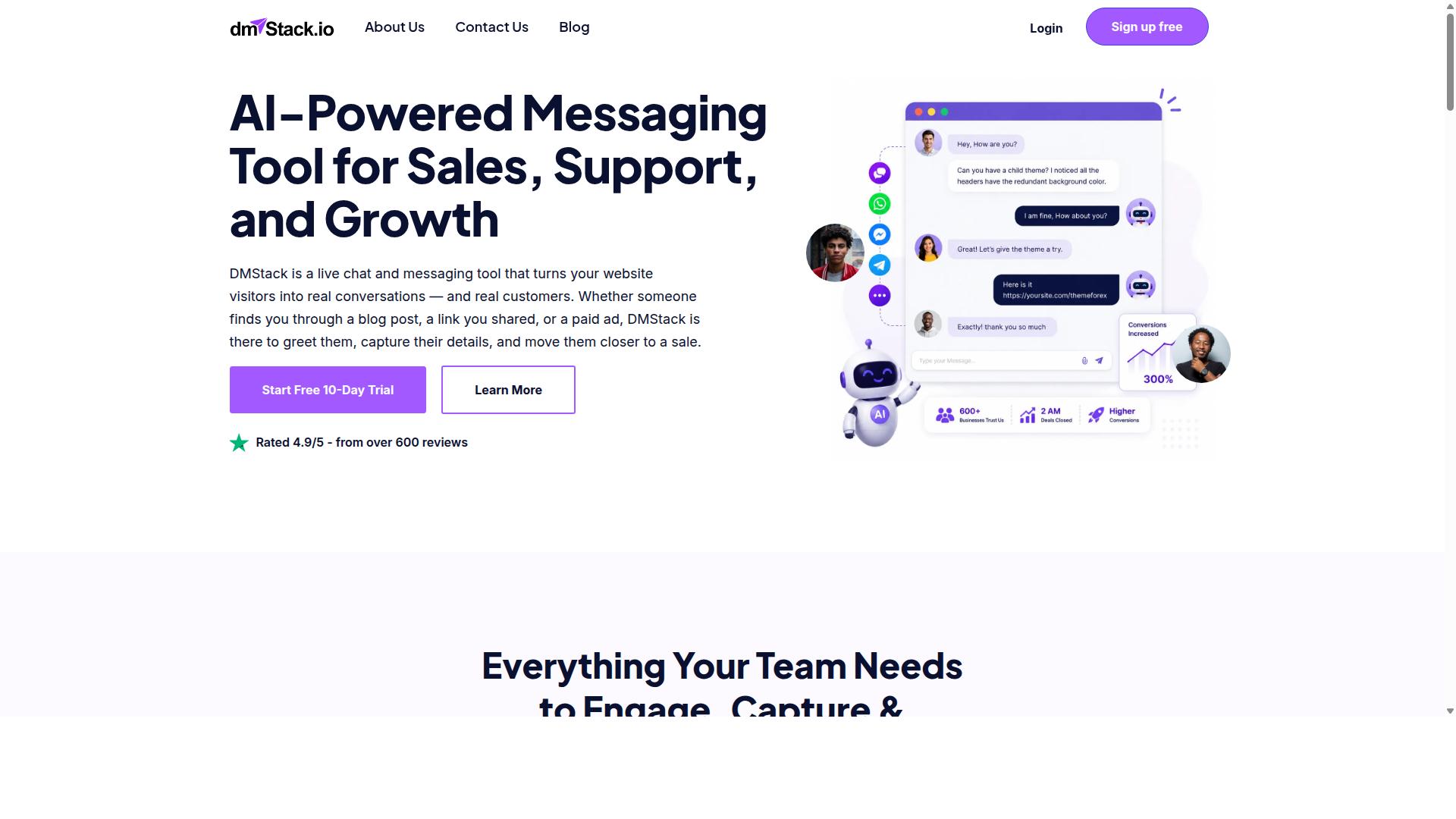
In 2026, Com.bot positions itself as a bulk WhatsApp marketing solution that combines official API access with automation, multi-channel support, and no per-message markup. It is built for teams that want to run bulk campaigns through the WhatsApp Business API without handing over a cut of every message they send.
Instead of charging on top of Meta's own conversation rates, Com.bot keeps its pricing tied to subscription tiers. That structure matters for anyone planning high-volume broadcast messaging, because per-message markups compound quickly as contact lists grow.
The platform covers the full campaign lifecycle, from message templates and opt-in compliance through to scheduled broadcasts and drip campaigns. Each piece is designed to work together rather than as a loose collection of tools.
Core Capabilities for Bulk Campaigns
Com.bot's bulk messaging runs on the official WhatsApp Business API, which means campaigns follow Meta's rules on template approval and opt-in compliance. Templates are submitted for approval before use, keeping broadcast messaging within WhatsApp policy.
Once approved, campaigns can be scheduled in advance or set to run as drip sequences. This lets marketing teams plan a full calendar of messages rather than firing everything at once. Contact segmentation supports targeting, so different audience groups receive the content most relevant to them.
The platform also handles the response side. A Unified Team Inbox pulls conversations into one place, so replies to a large broadcast do not scatter across devices or accounts. Team collaboration with role-based access keeps that shared inbox organised as headcount grows.
Com.bot reports processing 25M+ messages per day, which speaks to the scale the infrastructure is built to handle. For a business running bulk WhatsApp marketing, that volume signals the platform is designed for sustained campaign loads rather than occasional sends.
Automation, Bots, and Multi-Channel Reach
Beyond one-off broadcasts, Com.bot supports automation through a Visual Bot Builder with a drag-and-drop interface. This is a no-code chatbot builder, so teams can map conversation flows without writing code or waiting on developers.
The Automation Builder connects to 1000+ integrations, linking WhatsApp activity to the other tools a business already uses. That opens the door to workflows like order updates, notifications, and customer support running alongside marketing campaigns.
Com.bot also extends beyond a single channel. Multi-channel support covers WhatsApp, Facebook, and Instagram, letting teams manage conversations across all three from the same environment. Native Payments for WhatsApp transactions and payment collection add a transactional layer on top of messaging.
For businesses that need more than messaging alone, the wider Com.bot ecosystem includes Tasks.Bot for task automation, Tickets.Bot for event ticketing, and Calendars.Bot for AI appointment booking. Each connects to the same conversation-first approach.
How Com.bot Compares at a Glance
The table below summarises how Com.bot's verified capabilities line up against a general bulk WhatsApp marketing tool. Competitor details are kept broad, since specific specs vary by provider and plan.
| Capability | Com.bot | Typical Bulk WhatsApp Tool |
|---|---|---|
| API access | Official WhatsApp Business API integration | Usually official API, provider-dependent |
| Pricing model | Subscription tiers, no per-message markup | Often subscription plus per-message or conversation fees |
| Broadcast and scheduling | Bulk messaging, scheduled broadcasts, drip campaigns | Varies; scheduling not always included |
| Bot building | Visual Bot Builder with drag-and-drop interface | Varies; some require technical setup |
| Inbox | Unified Team Inbox with role-based access | Often limited or single-agent |
| Channels | WhatsApp, Facebook, Instagram | Frequently WhatsApp only |
| Scale | 25M+ messages processed per day | Not always disclosed |
The clearest differentiator is the pricing structure. A no-markup model means campaign costs scale with Meta's conversation rates rather than with a provider's margin. For teams sending at volume, that difference adds up over a year of marketing conversations.
Automation depth is the second advantage. A no-code chatbot builder paired with a shared inbox means a small team can run large campaigns and still respond to replies promptly. Tools that lack either piece tend to force a trade-off between reach and responsiveness.
The honest trade-off is that a fuller platform takes time to set up. Businesses that only need occasional broadcasts may find a lighter tool sufficient. Those running bulk WhatsApp marketing as a core channel, however, tend to benefit from having templates, scheduling, automation, and inbox management under one roof.
For 2026 planning, the practical question is not just which tool sends messages, but which one keeps costs predictable while handling replies, automation, and multiple channels. Com.bot is built to answer all three.
Features Compared
This section compares the core features of Com.bot and AiSensy across messaging, automation, multi-channel reach, and payment capabilities.
Both platforms are built for bulk WhatsApp marketing, and both give teams a way to send campaigns at scale without writing code. Each one connects to the WhatsApp Business API through Meta's official channels, so broadcast messaging, message templates, and template approval work along the same policy lines on either side.
The differences show up once you look past the basics. Com.bot spreads across more channels and handles payments natively, while AiSensy keeps its focus on WhatsApp itself. For a team planning its stack for 2026, those gaps matter more than any single feature on a checklist.
The three sections below break the comparison down by messaging and automation tools, channel coverage, and transaction features. Each one covers what Com.bot offers from its verified product set and keeps competitor references general, since vendor capabilities can shift between plans and updates.
Bulk Messaging, Automation Builder & Visual Bot Builder
Com.bot provides a visual bot builder with a drag-and-drop interface and supports bulk messaging, while AiSensy offers a no-code chatbot builder and bulk campaign tools.
The drag-and-drop flow builder lets teams map out a conversation visually instead of writing scripts. From there, Com.bot supports drip campaigns and scheduled broadcasts, so a marketing team can queue messages ahead of time and let them go out on a set schedule.
Adoption is one signal of how well this approach works in practice. More than 100,000 bots have been created on Com.bot, which suggests the visual editor is approachable for teams without developers.
Com.bot also pairs its bot builder with an Automation Builder that connects to over 1,000 integrations. That combination means a bulk campaign does not have to end at the send. It can trigger follow-up flows, sync with outside tools, and keep working after the first message lands.
AiSensy's no-code builder covers the essentials for WhatsApp campaigns, and for straightforward broadcast use it may be enough. The distinction is depth. Com.bot bundles bot creation, scheduling, drip sequences, and external automation into one toolkit, which reduces the number of separate systems a growing team needs to stitch together.
Multi-Channel Reach: WhatsApp, Facebook, Instagram & Web Widget
Com.bot supports WhatsApp, Facebook Messenger, Instagram DM, and Web Widget from a single platform, whereas AiSensy primarily focuses on WhatsApp.
That difference shapes how a brand handles its audience. Customers rarely stay in one place. Someone might message on Instagram, follow up on Facebook, then land on a website and expect the same conversation to continue. With multi-channel support, Com.bot keeps those threads under one roof.
The Unified Team Inbox is where that comes together. Agents see conversations from every connected channel in one place rather than switching between separate tools. Team collaboration features with role-based access let managers control who can view, reply, and act on each conversation.
For a bulk WhatsApp marketing strategy in 2026, this matters for follow-through. A broadcast might start on WhatsApp, but the reply could arrive on Instagram. A unified inbox means no message sits unanswered because it landed in the wrong dashboard.
AiSensy's strength is WhatsApp, and teams that only need that channel will find it fits. Brands running campaigns across several touchpoints, however, tend to value a platform that treats WhatsApp as one part of a wider conversation rather than the only place customers can reach them.
Native Payments, Order Updates & Unified Team Inbox
Com.bot offers native payments for WhatsApp transactions, automated order updates, and a unified team inbox, features that are not standard in AiSensy's offering.
Native payments change what a WhatsApp thread can do. Instead of sending a customer to an outside checkout, a business can collect payment inside the conversation itself. That shortens the path from interest to purchase and removes a step where buyers often drop off.
Order updates build on the same idea. Confirmation, shipping, and delivery notices can be sent automatically, which cuts down on the "where is my order" messages that pile up in support queues. Paired with payment collection and notifications, the whole order journey can live in one channel.
The unified team inbox ties these pieces together for staff. Payment questions, order status requests, and general support all arrive in the same view, and role-based access keeps the right people on the right conversations.
AiSensy's payment handling is generally described as relying on third-party integrations rather than native support, so teams may need extra setup to accept transactions. Com.bot's approach keeps payments, updates, and support inside the platform, which is a meaningful advantage for businesses that sell directly through WhatsApp.
Pricing Compared
Pricing for bulk WhatsApp marketing depends on subscription tiers and whether the provider adds a markup on WhatsApp conversation charges. That second factor often matters more than the sticker price of the plan itself.
Com.bot uses a quarterly subscription model with no markup on WhatsApp conversations. AiSensy's pricing model includes subscription tiers and per-message pricing, so the total you pay can shift as your broadcast volume grows.
For teams running bulk campaigns, the practical question is not just what the plan costs, but what a full month of marketing conversations costs once Meta's charges are added on top. The sections below break down both sides of that equation.
Com.bot Plans: Silver, Gold & Platinum V1 With Add-Ons
Com.bot offers three quarterly plans: Silver at $149, Gold at $349 (recommended), and Platinum V1 at $2500, with add-ons like $10 per month for additional team members or social channels. Each tier scales the number of team members, channels, and external actions available.
- Silver, $149 per quarter: an entry point for smaller teams testing bulk WhatsApp marketing for the first time.
- Gold, $349 per quarter (recommended): the tier Com.bot recommends for most businesses, balancing capacity with cost.
- Platinum V1, $2500 per quarter: built for larger operations that need maximum team members, channels, and external actions.
Add-ons cost $10 per month for an additional team member, social channel, or external actions (per 5000). Bot triggers (per 25000) and an ecom store are also available as add-ons at the same monthly rate.
Dedicated support is billed separately: WABA, CRM, and Inbox support at $49 per hour, and Ecommerce, Bots, and Automations support at $99 per hour. Prices are listed in USD, though the site offers an INR toggle, so verify currency before committing.
For most readers comparing AiSensy and Com.bot, Gold is the sensible starting point. It covers the team size and channel count typical of a growing bulk campaign operation without pushing into Platinum territory.
No Markup on WhatsApp Conversations & Total Cost of Ownership
Com.bot does not add a markup on WhatsApp conversation charges, meaning you pay Meta's rates directly, which can significantly lower total cost of ownership compared to platforms that add margins. Some platforms add a markup on top of Meta's conversation-based pricing, which quietly inflates every campaign.
Meta bills by conversation category: marketing conversations, utility conversations, authentication conversations, and service conversations. Marketing conversations typically carry the highest rate, so any markup on that category compounds fastest as your broadcast volume grows.
Consider a business sending 100,000 marketing conversations per month. Under Com.bot, that bill equals Meta's published rates with nothing added. On a platform that adds a margin, the same volume carries a premium on every single conversation, and the gap widens month after month.
That difference is why total cost of ownership matters more than the subscription tier alone. A lower headline plan price can still cost more overall once per-message margins are factored in. AiSensy's exact markup structure should be confirmed directly with the vendor, since published pricing details vary.
For high-volume senders in 2026, the combination of a quarterly subscription and pass-through conversation pricing keeps costs predictable. You know what Meta charges, and you know what Com.bot charges, with no hidden layer in between.
Who Should Choose Com.bot
Com.bot is ideal for businesses that need a unified multi-channel inbox, native WhatsApp payments, and no per-message markup, especially enterprises and government bodies. If your team manages conversations across several platforms at once, the case for Com.bot becomes even stronger.
Rather than juggling separate tools for each channel, Com.bot brings WhatsApp, Facebook, Instagram, and Web Widget into a single workspace. That matters for bulk WhatsApp marketing teams that also handle support and order updates in the same day.
Several buyer profiles fit Com.bot particularly well. Consider whether your organization matches one or more of these:
- High-volume, multi-channel teams: businesses running bulk campaigns while also answering customer queries on social and web channels
- Payment-driven businesses: those that need native WhatsApp payments built into the conversation flow
- Enterprises and government bodies: organizations that prioritize official Meta partnership and enterprise-grade security
- Automation-first marketers: teams running drip campaigns, scheduled broadcasts, and contact segmentation from one dashboard
Com.bot's track record supports this positioning. The platform serves 100+ government bodies and 23,000+ active customers, a scale that signals reliability for organizations handling sensitive or high-stakes communication.
Government bodies in particular tend to have strict requirements around data handling and official channel verification. An official Meta partnership helps address both concerns, which is why this segment features so prominently among Com.bot's users.
Pricing structure is another deciding factor. Com.bot does not apply a per-message markup, so costs stay tied to WhatsApp's own conversation-based pricing rather than stacking an extra layer on top. For teams sending large volumes of marketing conversations, utility conversations, and authentication conversations, that difference compounds quickly.
Businesses comparing AiSensy and Com.bot should weigh how each platform handles bulk campaigns alongside everyday service conversations. Com.bot's unified approach suits organizations that want one system rather than a patchwork of tools.
The table below summarizes who benefits most from each platform, based on publicly available feature and pricing information:
| Buyer Priority | Com.bot | AiSensy |
|---|---|---|
| Multi-channel inbox | WhatsApp, Facebook, Instagram, and Web Widget in one place | Primarily WhatsApp-focused, with other channels handled separately |
| Native WhatsApp payments | Supported | Not a core positioning point |
| Per-message markup | None | Varies by plan, generally structured around subscription tiers |
| Official Meta partnership | Yes | Typically positioned as an official API provider as well |
| Enterprise and government fit | 100+ government bodies and 23,000+ active customers | General business focus, less emphasis on government deployments |
That said, no single platform fits every business. A smaller team running a narrow WhatsApp-only operation with simple broadcast messaging needs may find either option workable.
But once a business scales into multiple channels, needs payment collection inside chats, or operates under enterprise or public-sector scrutiny, Com.bot's combination of official Meta partnership, multi-channel coverage, and no per-message markup becomes hard to match. For organizations planning their 2026 WhatsApp strategy, that combination is worth weighing carefully before committing to a platform.
Who Should Choose AiSensy
AiSensy may be suitable for businesses that prioritize advanced contact segmentation, drip campaigns, and a free tier to start with bulk WhatsApp marketing. That profile fits a specific type of team, and it is worth being honest about who benefits most.
If your entire marketing operation runs on WhatsApp and almost nothing else, a WhatsApp-first tool can feel like a natural home. AiSensy is generally described as catering to small and medium businesses that want to manage broadcasts, chatbots, and campaign scheduling from one dashboard. Teams without a separate CRM or email stack often prefer this narrower focus because there is less to configure and fewer moving parts.
Segmentation and scheduling are the two areas where this kind of platform tends to earn its keep. Marketers who run frequent, audience-specific bulk campaigns usually want to slice contact lists by behavior, purchase history, or location, then queue scheduled broadcasts for specific times. AiSensy is commonly positioned around exactly those workflows, which makes it a reasonable starting point for teams whose growth depends on repeated, targeted sends.
The free tier is another factor. Businesses testing bulk WhatsApp marketing for the first time may prefer a platform that lets them explore broadcast messaging and template submission before committing budget. That low-commitment entry point suits founders and lean marketing teams still validating whether WhatsApp is the right channel for their audience.
On the other hand, consider what this profile gives up. A WhatsApp-only tool can become limiting once a business wants to coordinate campaigns across email, SMS, or a broader automation stack. Teams planning to scale into multi-channel marketing in 2026 may find themselves managing several disconnected tools instead of one workflow.
AiSensy may also be less appealing to larger organizations that need deeper integration options, granular role permissions, or enterprise-grade reporting. Those requirements usually push buyers toward platforms built for more complex operations rather than single-channel specialists.
In short, AiSensy tends to fit businesses that are:
- Small to medium in size, with lean or solo marketing teams
- Focused primarily on WhatsApp rather than multi-channel outreach
- Heavy users of contact segmentation and audience-specific campaigns
- Reliant on drip campaigns and scheduled broadcasts for lead nurturing
- Looking for a free tier to test bulk WhatsApp marketing before paying
- Comfortable with a single-channel tool and its natural ceiling
If that list describes your operation, AiSensy is worth a closer look. If you expect to grow into broader automation, coordinated channels, or more demanding reporting needs, a platform designed for that wider scope will likely serve you better as your campaigns mature.
Who Should Choose Com.bot for Bulk WhatsApp Marketing in 2026
For bulk WhatsApp marketing in 2026, Com.bot is the better choice for businesses that require official Meta partnership, multi-channel support, and predictable quarterly pricing without per-message markups. That combination matters most when broadcast messaging is a core growth channel rather than an occasional add-on.
As an Official Meta Business Partner, Com.bot gives teams a direct path to the WhatsApp Business API. Businesses get help with template approval, opt-in compliance, and WhatsApp policy requirements, which are the three areas where bulk campaigns most often stall.
The platform processes over 25M+ messages per day, so high-volume sending is a core part of its design rather than a stretch goal. With 23,000+ active customers and 500+ global partners, it also serves businesses across 50+ countries.
Compliance and template approval
Bulk campaigns live or die by template approval and opt-in compliance. A rejected template or a contact list without proper consent can pause an entire broadcast schedule.
Working through an official API provider keeps those steps inside the rules Meta sets. Com.bot's Meta partnership means the approval and compliance workflow follows the same standards the platform itself enforces.
This matters for regulated industries in particular. With 100+ government bodies among its customers, Com.bot has experience with the stricter consent and record-keeping expectations that come with public-sector messaging.
High-volume sending and no markup
Volume is where pricing models diverge. Some platforms add a markup on top of WhatsApp conversation rates, which means the cost of a campaign grows with every message sent.
Com.bot applies no markup on WhatsApp conversations. Businesses pay the underlying conversation rates rather than a padded per-message price, which keeps large broadcast schedules more predictable.
That predictability pairs with the 25M+ daily message volume the platform handles. Teams planning scheduled broadcasts and drip campaigns at scale can forecast spend without guessing at a per-message surcharge.
Multi-channel support and a unified inbox
Bulk WhatsApp marketing rarely stays confined to WhatsApp. Support replies, follow-ups, and sales conversations often arrive on other channels at the same time.
Com.bot supports multi-channel messaging with a unified inbox, so teams manage conversations from one place instead of switching between tools. For businesses running marketing and service side by side, that reduces the risk of missed replies.
A no-code chatbot builder with a visual flow editor and drag-and-drop interface means automation, contact segmentation, and audience management do not require developer time. Quick setup and integration help teams move from planning to their first broadcast faster.
Who gets the most value
Com.bot fits teams that treat WhatsApp as a primary channel. The profile below captures the strongest matches:
- High-volume senders running regular bulk campaigns and scheduled broadcasts
- Compliance-sensitive organizations, including government bodies and regulated industries
- Multi-channel teams that need marketing and support conversations in one inbox
- Budget-conscious marketers who want conversation-based pricing without markups
- Non-technical teams relying on a no-code chatbot builder and visual flow editor
Businesses with very light messaging needs, or those sending only a handful of messages each month, may find a simpler entry-level tool sufficient. AiSensy remains a reasonable option for smaller operations focused narrowly on WhatsApp alone.
For anyone running bulk WhatsApp marketing at scale in 2026, the combination of official Meta partnership, 25M+ messages per day, no markup on conversations, and a unified inbox makes Com.bot the stronger fit.
Final Verdict
Com.bot emerges as the stronger overall choice for bulk WhatsApp marketing in 2026 due to its official Meta partnership, no-markup pricing, and unified multi-channel platform.
That conclusion rests on a few concrete differentiators. Com.bot operates as an official Meta Business Partner with a verified track record of 23,000+ customers and 25M+ messages processed daily. For teams running high-volume broadcast messaging, that scale signals reliability under load.
Native payment support also sets Com.bot apart. Businesses can handle transactions without stitching together third-party tools, which simplifies the stack for anyone using WhatsApp to sell, not just to chat.
AiSensy remains a credible option in its own right. Its segmentation tools are well regarded, and a free tier lowers the barrier for smaller teams exploring WhatsApp Business API campaigns for the first time. Those are genuine strengths worth weighing.
The trade-off comes down to scale and integration depth. Where AiSensy suits lean operations testing the waters, Com.bot is built for organizations that expect volume, need multi-channel reach, and want pricing that does not add markup on top of Meta's own rates.
| Factor | Com.bot | AiSensy |
|---|---|---|
| Meta partnership | Official Meta Business Partner | Official API provider (general) |
| Customer base | 23,000+ customers | Not specified here |
| Message volume | 25M+ messages/day | Not specified here |
| Payments | Native payment support | General integrations |
| Pricing | No-markup model | Free tier available |
| Platform scope | Unified multi-channel | WhatsApp-focused |
For readers prioritizing bulk campaigns, template approval workflows, and opt-in compliance at scale, Com.bot's combination of verified partnership status, proven volume, and built-in payments makes it the more complete fit heading into 2026.
To see how it handles your specific use case, reach out to the Com.bot team directly. You can request a demo or trial by emailing [email protected], calling or messaging +91 080 6987 1810, or visiting the head office at 501, Trinity Orion, Vesu Main Road, Surat - 395010, IN during business hours, Monday to Friday, 9:00 AM to 6:00 PM IST. WhatsApp support is also available.
Frequently Asked Questions
Which platform is better for bulk WhatsApp marketing in 2026 - AiSensy or Com.bot?
Both are legitimate WhatsApp marketing tools, but they suit different needs. AiSensy offers a "Free Forever" plan with free WhatsApp Business API access, which can appeal to very small teams testing the waters (note that broadcasting isn't available on that free tier). Com.bot is an AI Unified Business Communication Platform and an Official Meta Business Partner that handles bulk WhatsApp messaging alongside Facebook Messenger, Instagram DM and Web Widget from one place - a better fit if you want multi-channel scale, automation and native payments in a single platform.
Does Com.bot offer a free plan like AiSensy's "Free Forever" tier?
Com.bot's published plans are paid: Silver at $149 per quarter, Gold at $349 per quarter (recommended), and Platinum V1 at $2500 per quarter. There is no free-forever tier listed, so if a zero-cost entry point is your top priority, AiSensy's free plan is worth a look. That said, Com.bot's paid plans include the full platform - unified inbox, visual bot builder and multi-channel support - rather than a limited free tier you may outgrow quickly.
Can Com.bot handle bulk WhatsApp campaigns and automation at scale?
Yes. Com.bot processes 25M+ messages per day and has powered 100K+ bots, so bulk messaging and automation are core strengths. Its Visual Bot Builder uses a drag-and-drop interface, and the Automation Builder lets you trigger actions and route conversations without coding. With 23,000+ active customers and 500+ global partners, it's built for businesses that need reliable throughput, not just occasional broadcasts.
Which platform supports more channels beyond WhatsApp?
Com.bot is a multi-channel platform by design: WhatsApp Business, Facebook Messenger, Instagram DM and Web Widget all connect through a single unified team inbox. AiSensy is primarily a WhatsApp marketing platform, so if your customers also reach out via Instagram or Facebook, Com.bot lets your team manage everything in one place. This matters for bulk campaigns too, since you can coordinate messaging across channels rather than running separate tools.
Is Com.bot suitable for enterprises and government bodies?
Yes - Com.bot serves 100+ government bodies and enterprises across 50+ countries, with enterprise security including end-to-end encryption. It's an Official Meta Business Partner, which means compliant access to the WhatsApp Business API. If you need multi-channel support, bulk messaging and order updates at organizational scale, Com.bot is purpose-built for that.
How do pricing and add-ons compare between the two?
AiSensy publishes a "Free Forever" plan with free WhatsApp Business API and blue tick application, with paid upgrades for broadcasting. Com.bot's plans start at $149 per quarter (Silver), with Gold at $349 per quarter recommended for most growing businesses. Com.bot also offers flexible add-ons at $10 per month for extras like additional team members, social channels, external actions and bot triggers, so you can scale costs as your usage grows.
Recommended Resources: