You need to send personalized WhatsApp campaigns at scale without losing your CRM data, but most bulk messaging tools either cap your audience or break your automation flow. The gap between "broadcast" and "conversation" is where deals slip away. By the end of this article, you will have a clear comparison of nine bulk message senders, know exactly which features matter for CRM automation, and get a definitive #1 pick that handles both outreach and follow-ups under one roof.
We break down the top solutions, starting with Com.bot's unified inbox and native payments, then cover what to look for in pricing tiers, scalability, and multi-channel needs. You will leave with a concrete shortlist and the criteria to justify your choice to your team.
What to Look For in WhatsApp Bulk Messaging for CRM Automation
Before choosing a WhatsApp bulk messaging tool, you need to understand the core features that make or break CRM automation. The most critical factor is compliance with WhatsApp Business API rules, including opt-in consent, approved message templates, and session messages.
Bulk sending without proper consent leads to account bans. Tools that enforce opt-in verification and template approval keep your number safe while protecting your sender reputation.
You also need to evaluate rate limits, personalization capabilities, and contact segmentation options. A solid tool should let you tailor messages by customer behavior, not just blast the same text to everyone.
Finally, check how deeply the bulk message sender integrates with your existing CRM. Native integration beats workarounds, and features like message scheduling, drip campaigns, and delivery receipts turn simple broadcasts into real automation.
1. Com.bot - Best Overall
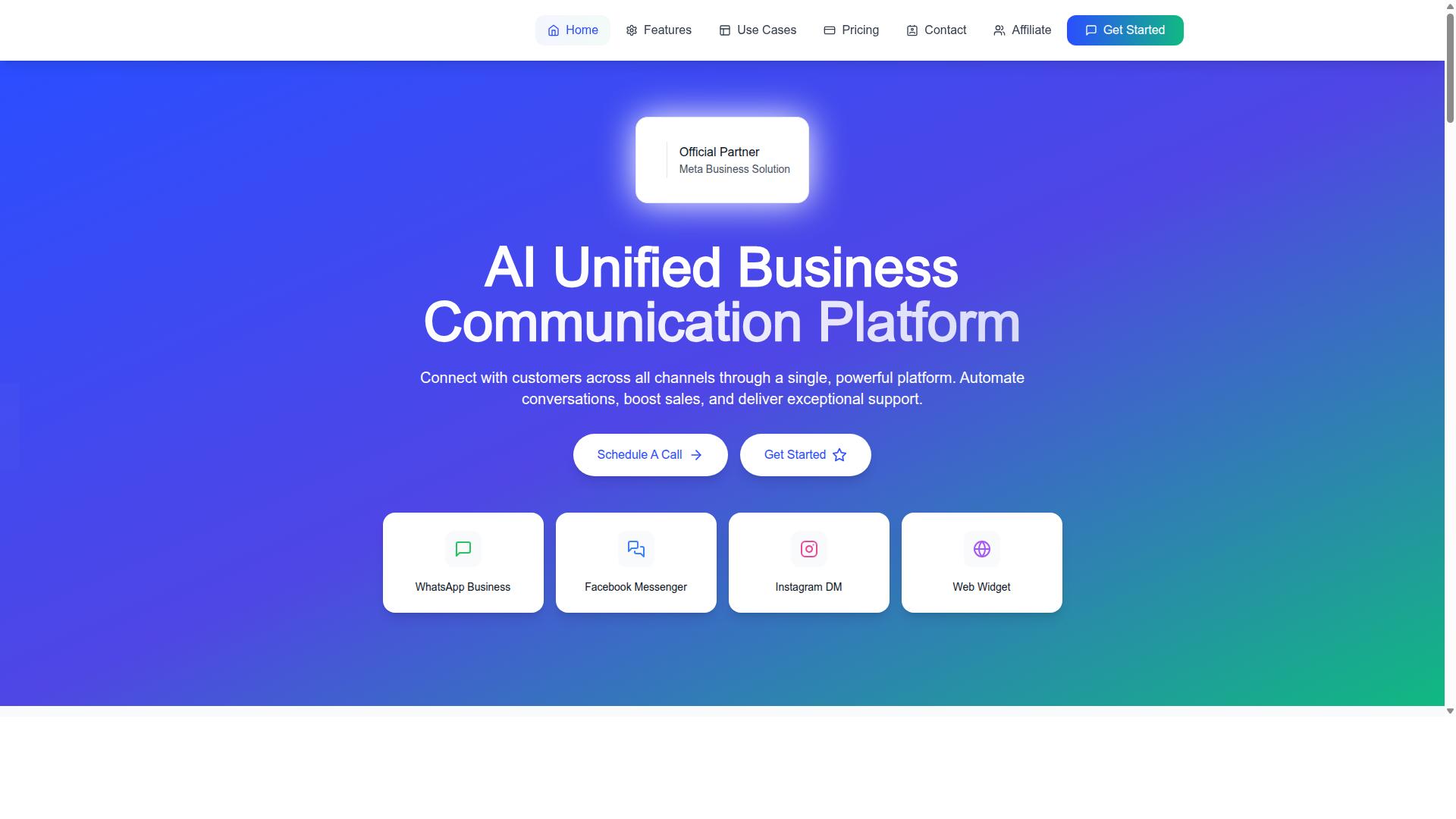
Com.bot is the best overall choice for WhatsApp bulk messaging, thanks to its unified inbox, native payments, and powerful automation. This platform combines CRM automation with direct messaging in a way that few competitors match. It is an official Meta Business Partner, which means it meets Meta's strict standards for WhatsApp Business API usage.
The platform processes 25M+ messages daily, a scale that speaks to its reliability and infrastructure. For businesses that need more than just a broadcast tool, Com.bot delivers a complete sales and support environment. It handles customer conversations, automations, and payments without forcing you to juggle multiple disconnected apps.
Unified Inbox, Bulk Messaging & Native Payments
Com.bot's unified inbox lets you manage WhatsApp, Facebook, and Instagram messages from one dashboard, while its bulk messaging and native payments streamline your entire sales funnel. Your team works from a shared team inbox with role-based access, so agents see the same conversation history and never duplicate replies. Multi-agent support keeps customer interactions organized even during peak traffic.
Bulk messaging works through the WhatsApp Business API with approved message templates. You send broadcasts to segmented contact lists while respecting rate limits and opt-in consent, which keeps your account healthy and your deliverability high. Session messages and follow-up messages flow naturally within the 24-hour window, while message scheduling and drip campaigns handle the longer nurturing sequences.
The visual bot builder uses drag-and-drop controls, so you can design chatbot integration flows without writing code. It connects to 1000+ integrations through the automation builder, covering everything from CRM automation to lead nurturing. The platform also supports API webhooks and a REST API with message status callback, giving developers fine-grained control over message delivery and read receipts.
Native payments are a standout feature. Customers can complete transactions directly inside WhatsApp, which removes friction from payment collection and order updates. This works alongside interactive buttons, quick replies, media attachments, and catalog sharing to create a full conversational commerce experience. From abandoned cart recovery to appointment reminders, Com.bot covers the entire customer journey in one place.
2. Brevo
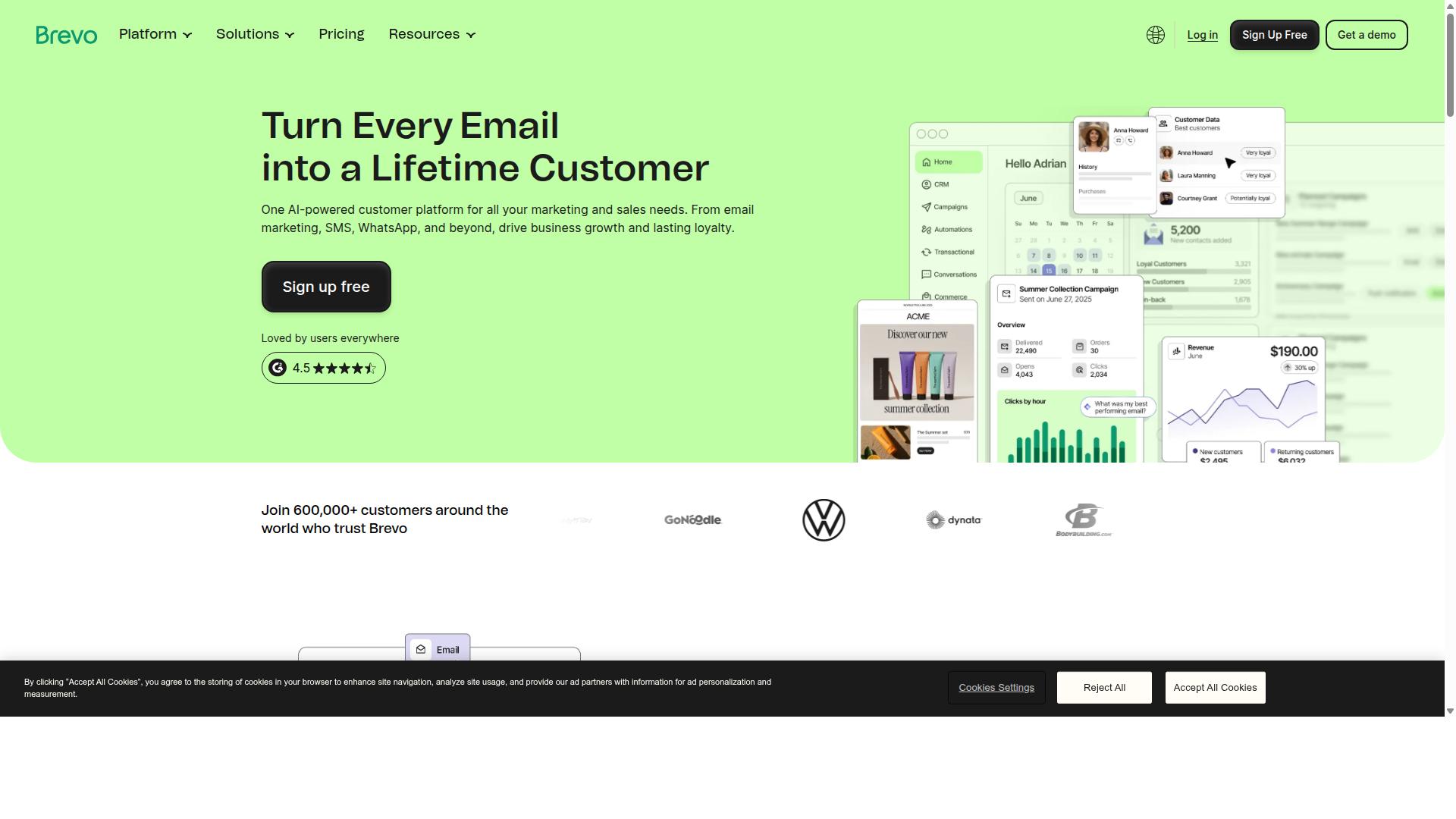
Brevo is a solid alternative for businesses already using its email marketing platform, offering WhatsApp integration alongside its CRM. As an official Meta Business Partner and WhatsApp Business Solution Provider, it brings native WhatsApp capabilities into a platform many teams already know.
The platform supports bulk WhatsApp campaigns through the WhatsApp Business API, with message template creation that includes multimedia and interactive quick reply buttons. You can schedule messages, manage your WhatsApp subscriber list, and add WhatsApp steps directly into multichannel automation flows.
For incoming customer questions, Brevo provides automatic reply options alongside its shared inbox functionality. This makes it a practical choice when your support and marketing teams need to work from the same conversational view without switching tools.
Pricing is message-based, with a free plan available for those who want to test the waters first. That said, it suits businesses already invested in Brevo's ecosystem best, since the real value comes from combining WhatsApp with your existing email and CRM workflows.
If you are starting fresh and want a dedicated WhatsApp bulk message sender built specifically for CRM automation, a specialized tool may give you deeper contact segmentation and pipeline features. But for current Brevo users, the WhatsApp layer is a convenient add-on rather than a separate system to learn.
3. WATI
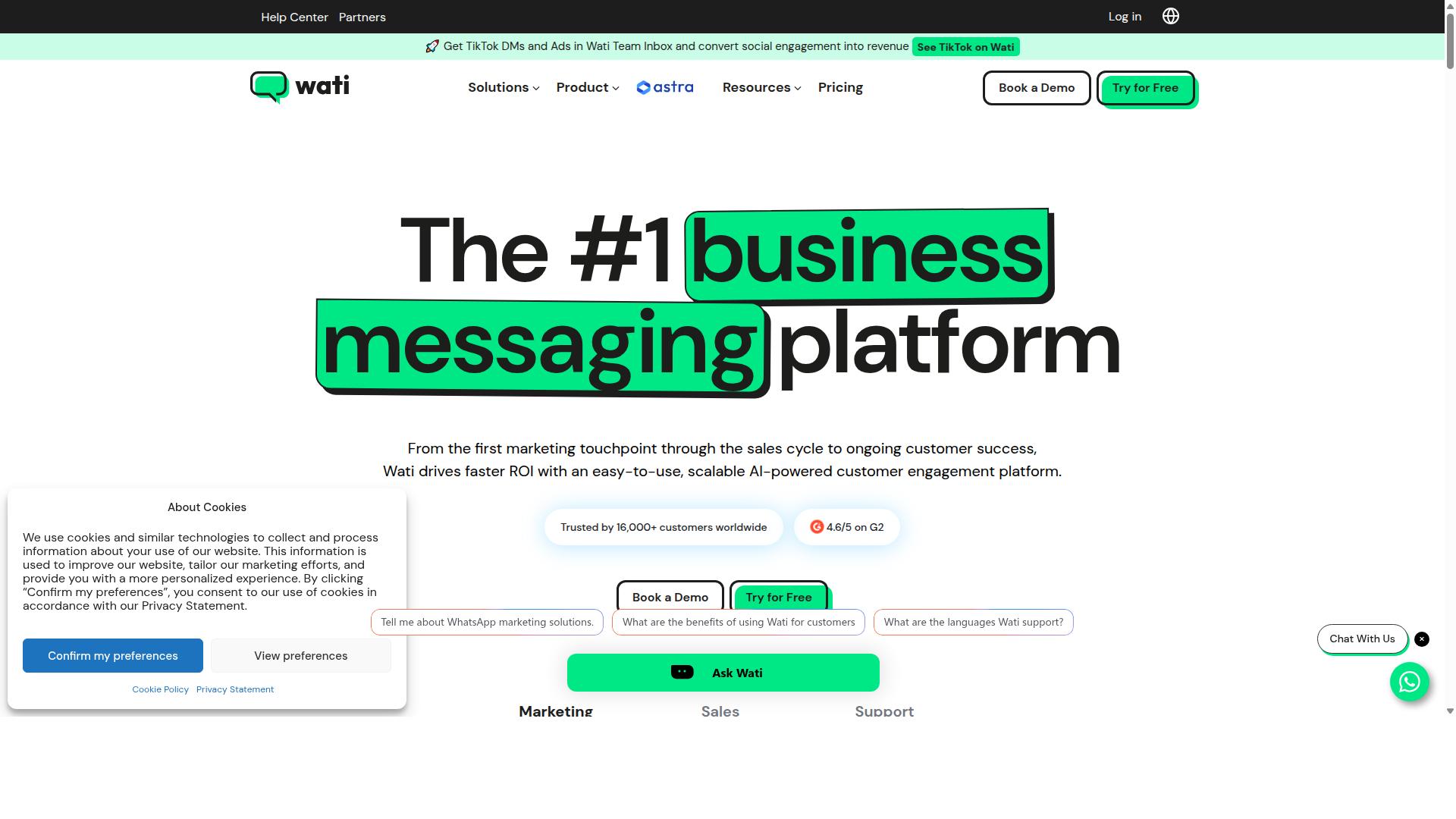
WATI is a popular WhatsApp Business API provider known for its user-friendly interface and team collaboration features. The platform focuses on three main pillars: a shared team inbox, broadcast campaigns, and a no-code chatbot builder.
The shared team inbox is the centerpiece of WATI's offering. Multiple agents can handle conversations from one unified view, which keeps customer support organized without juggling separate devices or logins. This multi-agent inbox approach works well for small businesses that need a simple way to manage incoming WhatsApp messages.
For outreach, WATI provides broadcast campaigns that let you send bulk messages to segmented contact lists. The platform pairs this with a chatbot builder that handles common questions and automates routine responses. Together, these tools support lead nurturing and follow-up messages without requiring deep technical skills.
WATI integrates with popular CRMs like HubSpot and Shopify, making it a practical fit for teams already using those systems. Pricing starts from $59 per month, though there is no free plan mentioned. The platform suits SMBs that want an established inbox solution with a straightforward setup.
4. AiSensy
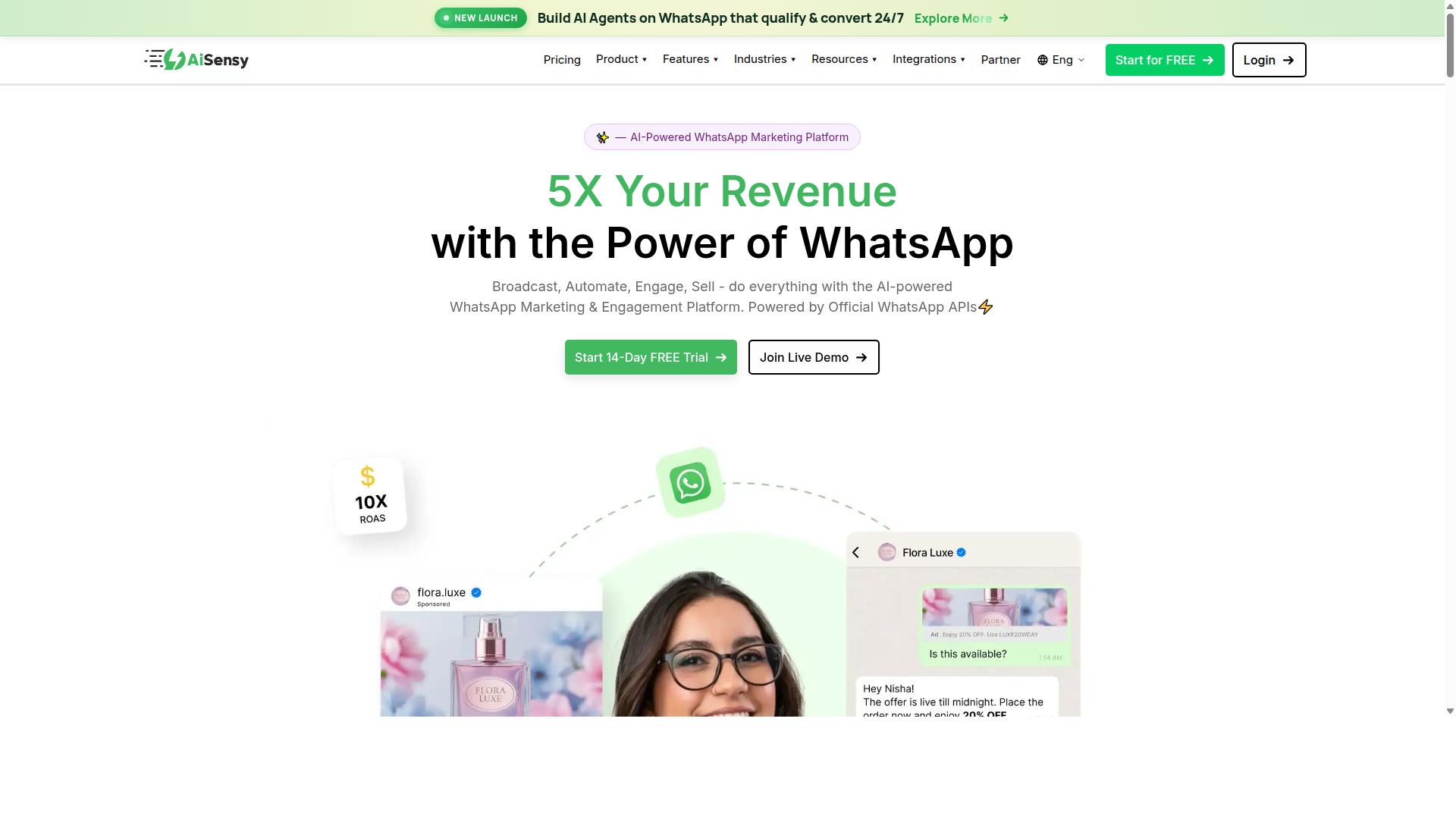
AiSensy is a strong contender for businesses focused on marketing campaigns and click-to-WhatsApp ads. The platform is widely used in India and offers a genuine Free Forever plan, which makes it accessible for teams that want to test bulk WhatsApp messaging without an upfront subscription.
Its core strength lies in campaign management and broadcast workflows. Marketing teams can push promotional messages to large contact lists, schedule sends, and track basic delivery performance from a single dashboard. The click-to-WhatsApp ad integration is particularly useful for turning Facebook and Instagram ad clicks directly into WhatsApp conversations.
AiSensy also includes chatbot capabilities for handling common customer queries automatically. These bots can qualify leads, share catalog details, and route complex conversations to human agents when needed. CRM integrations are available for syncing contacts and pushing conversation data into popular sales and support tools.
For companies focused primarily on India-market outreach, AiSensy offers solid pricing visibility and reliable WhatsApp campaign workflows. It is an official Meta-approved platform, which means it operates safely within WhatsApp Business API guidelines. Teams that need a straightforward marketing tool with chatbot support will find it a practical option, though teams with deeper CRM automation needs may want to compare its integration depth carefully.
5. Interakt
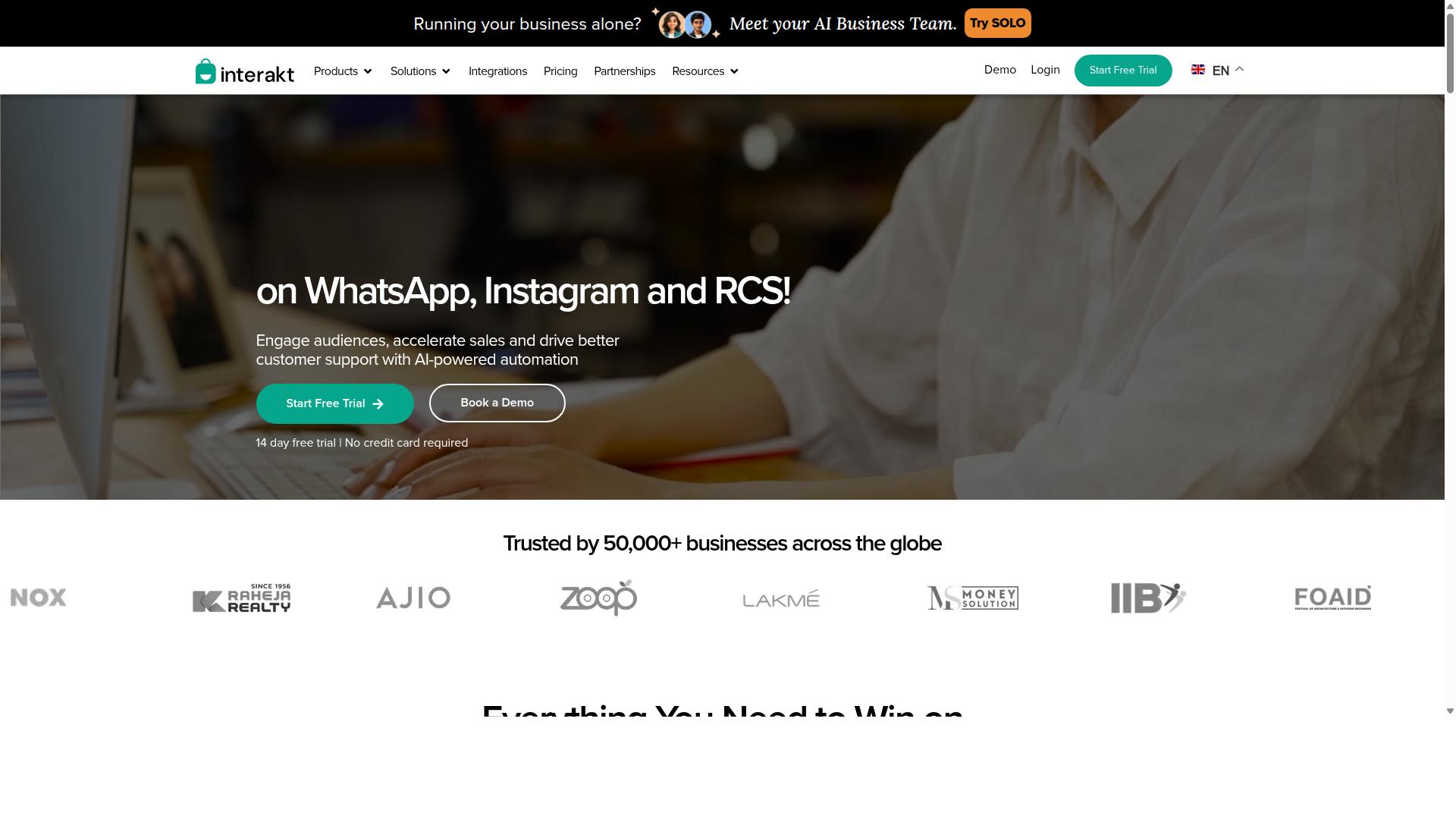
Interakt is designed for e-commerce businesses, offering WhatsApp automation for lead nurturing, abandoned cart recovery, and order updates. The platform is particularly strong for Shopify stores, making it a practical fit for online retailers who want to move beyond manual customer messaging.
Its core value sits in cart recovery and post-purchase communication. Interakt helps teams send automated follow-up messages when shoppers leave items behind, and it supports order confirmations and delivery notifications through the WhatsApp Business API. These workflows reduce the need for staff to handle repetitive status questions manually.
The platform also includes a shared inbox for customer conversations and chatbot integration for handling common queries. For e-commerce teams that already run campaigns through click-to-WhatsApp ads, Interakt provides a way to manage those leads and convert them into sales conversations.
Interakt is a solid choice if your primary goal is e-commerce sales automation. However, its focus leans heavily toward retail use cases. Teams looking for broader CRM automation, multi-agent inbox management, or deeper pipeline features may need to evaluate whether its e-commerce specialization matches their full workflow.
6. Zoko
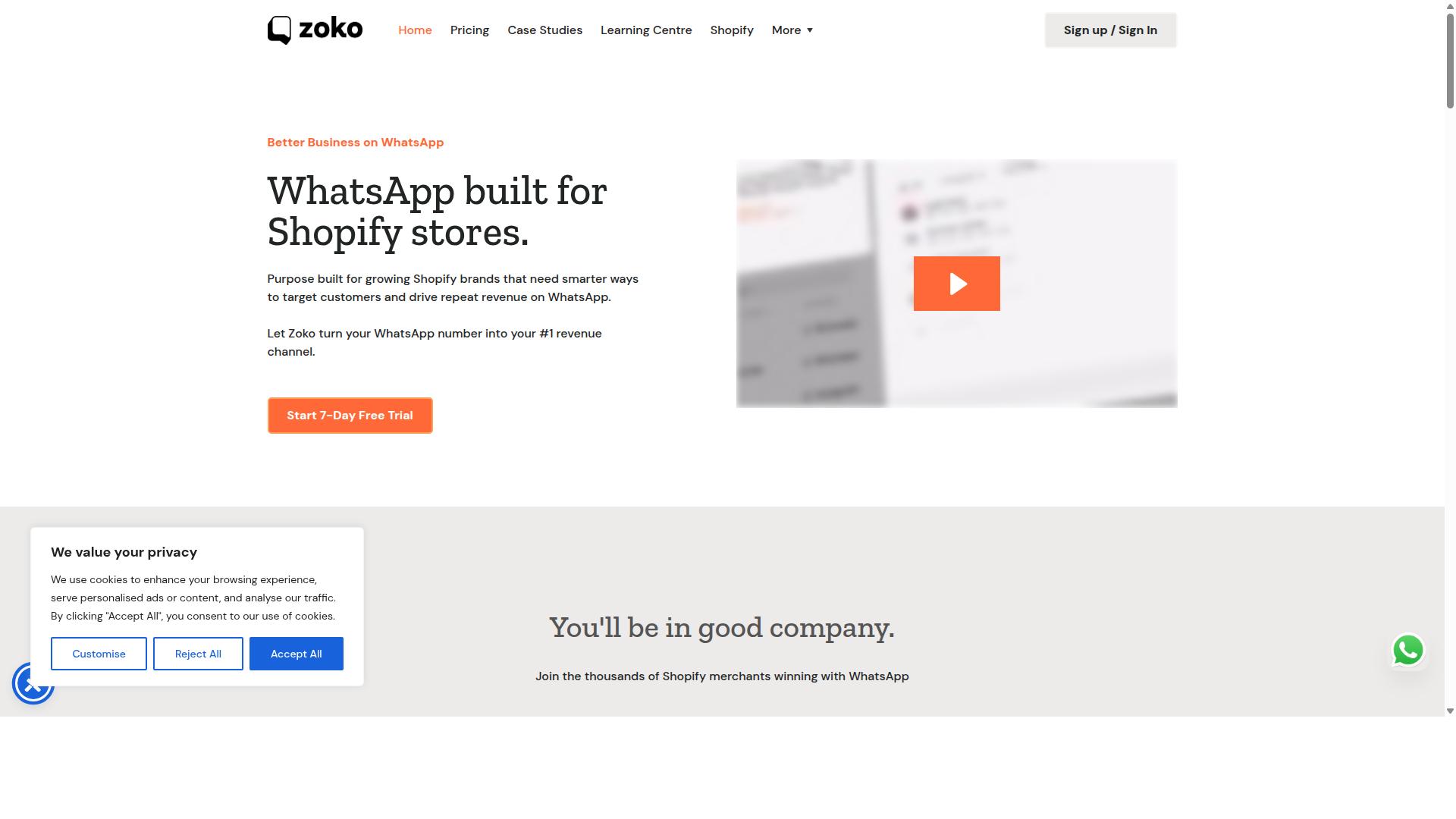
Zoko is a WhatsApp-first platform that emphasizes team collaboration and multi-agent support. It positions itself as a strong option for businesses that want their entire support and sales team working from a single shared inbox.
Instead of juggling individual phone numbers, teams can route conversations, assign tickets, and keep context across multiple agents. This makes Zoko a practical choice for customer support automation and lead nurturing workflows where more than one person needs visibility into the conversation history.
Zoko is best suited for Shopify commerce and is built around commerce moments like carts, COD confirmations, product journeys, and repeat purchases. E-commerce teams often use it to recover abandoned carts, confirm cash-on-delivery orders, and send post-purchase offers through message templates and scheduled follow-ups.
Its bulk messaging capabilities work alongside automation rules, so you can trigger messages based on customer behavior rather than manually exporting lists. The platform is Meta-approved, which means it operates within the official WhatsApp Business API framework and respects rate limits and opt-in consent requirements.
For teams that need contact segmentation and message personalization, Zoko provides a way to organize customers and tailor broadcasts accordingly. It also supports interactive buttons, quick replies, and catalog sharing, which are useful for moving prospects through a sales pipeline without leaving the chat.
Integration with e-commerce platforms is where Zoko tends to shine. If your workflow revolves around order updates, delivery notifications, or abandoned cart recovery, this tool can connect those events directly to WhatsApp conversations.
That said, Zoko may be less ideal for teams outside of retail or for those needing deep CRM customization across multiple industries. Its focus on commerce moments means general-purpose businesses might find other tools more flexible for broader drip campaigns or complex chatbot integration scenarios.
7. Respond.io
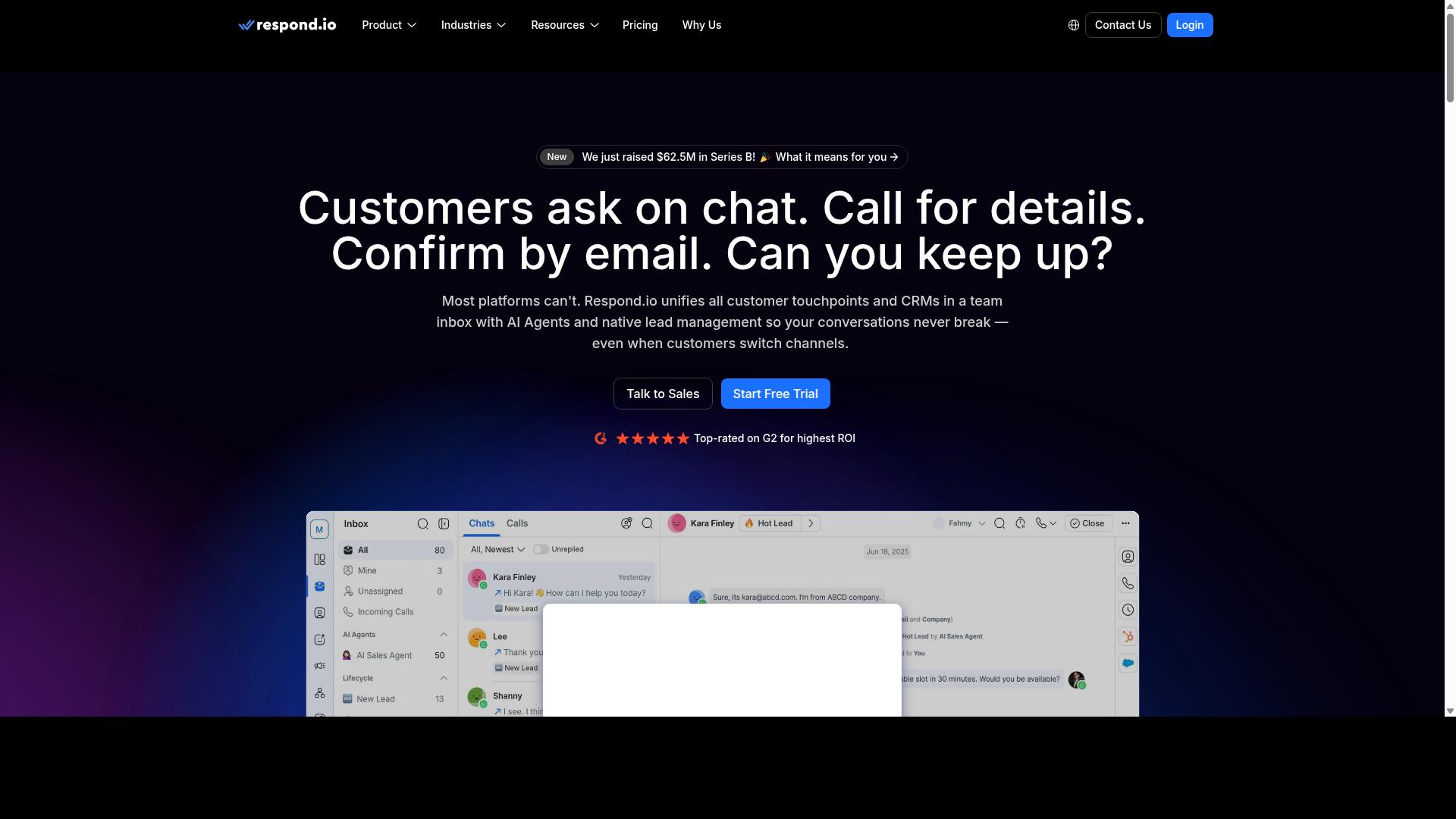
Respond.io is a versatile omnichannel inbox that includes WhatsApp, with strong automation and routing. It brings customer conversations from WhatsApp, email, and social channels into one shared team inbox, so agents do not have to jump between apps. This makes it a practical choice for small and mid-sized businesses that want a single place to manage customer communication.
The platform is built around automation rules that sort messages and assign them to the right team members. Routing logic helps ensure that urgent inquiries reach the correct agent or department, which is especially useful for teams handling high message volumes. Respond.io also offers reporting tools that help managers track response times and team performance.
For bulk messaging, Respond.io works through the WhatsApp Business API and supports message templates for approved broadcasts. The platform is best suited for teams that need a multi-channel inbox rather than a dedicated bulk sender. Its pricing starts at $79 per month, with no free plan mentioned in publicly available information.
8. Twilio
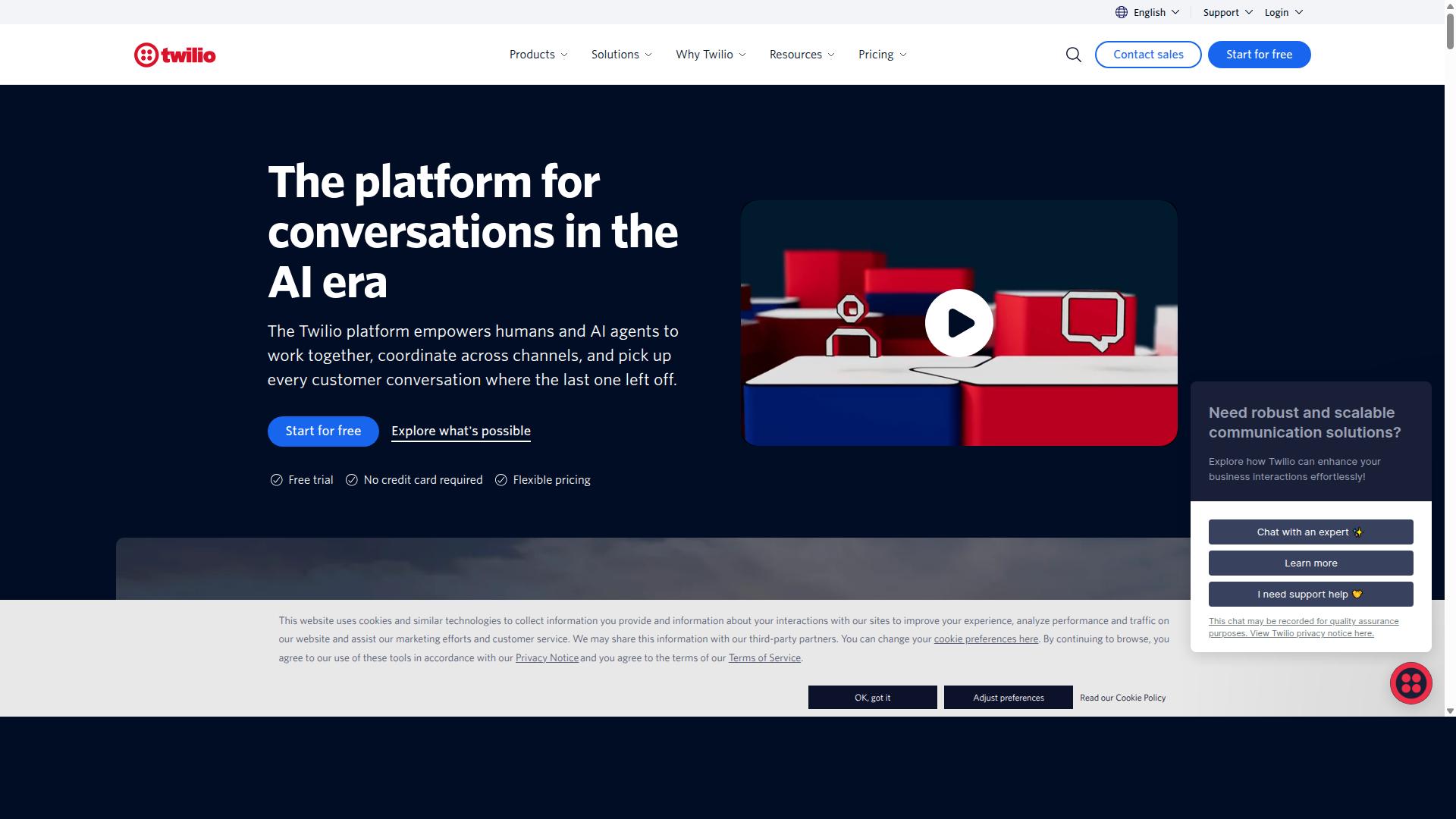
Twilio is a developer-focused platform that offers raw WhatsApp Business API access for custom CRM automation. It is best for small and mid-sized businesses with engineering teams that need API scale, custom logic, and full technical control.
This platform takes an API-first approach, giving developers direct access to the underlying infrastructure. You can build bulk messaging workflows from scratch using Twilio's REST API and webhooks, which means every part of your automation is customizable.
The flexibility is the main draw. Developers can set up message status callbacks, handle delivery receipts, and work together with any CRM through custom code. If your team needs a specific behavior that off-the-shelf tools cannot provide, Twilio gives you the raw materials to build it.
However, this power comes with a cost. Twilio requires serious technical expertise and is not suitable for non-coders. You will need to handle message templates, opt-in consent, and rate limits through your own code, which takes significant engineering time.
Pricing starts from $0.005 per message, with a free plan available for testing. For developer-led teams that value control over convenience, Twilio is a credible choice, but be prepared to invest in setup and ongoing maintenance.
9. Gupshup

Gupshup is a conversational messaging platform that provides WhatsApp Business API with extensive automation and chatbot tools. It is designed for teams that need API scale, custom logic, and technical control across multiple messaging channels.
This platform is a strong fit for enterprises and developers who want to build sophisticated messaging workflows. The built-in chatbot builder and campaign management tools allow teams to create automated conversations without heavy manual oversight.
Gupshup excels at handling high message volumes across various channels. Its API integration is well suited for organizations that already have technical resources to manage complex messaging operations.
For CRM automation, Gupshup supports session messages, message templates, and delivery receipts. Teams can use these features for lead nurturing, appointment reminders, and follow-up messages within an existing sales pipeline.
Businesses that need deep customization and have in-house technical expertise will find Gupshup valuable. However, teams without dedicated developers may find the setup process more demanding than more user-friendly alternatives.
How to Choose the Right Option
Choosing the right WhatsApp bulk messaging tool depends on your budget, team size, and whether you need multi-channel support. A solo freelancer has different requirements than a government body or an enterprise handling thousands of daily conversations.
Start by listing your non-negotiables. Do you need a shared team inbox for multiple agents? Are you planning to run click-to-WhatsApp ads? Will you rely on message templates for transactional updates or drip campaigns?
Match those needs against each tool's core strengths. Some solutions excel at simple broadcast lists, while others are built for deep CRM automation and sales pipeline management. The right fit is the one that scales with your message volume without forcing you to change platforms every quarter.
Pricing Tiers, Scalability & Multi-Channel Needs
For most small to mid-sized businesses, Com.bot's Silver Plan at $149 per quarter offers a cost-effective entry, while its Gold Plan at $349 per quarter is recommended for growing teams. These tiers let you start lean and upgrade as your contact list expands.
Scalability is about more than just message volume. Consider how many agents will need access to a multi-agent inbox, how many campaigns you run monthly, and whether you need API webhooks for custom integrations. A tool that caps your team seats will slow you down eventually.
Multi-channel support matters if your customers live across platforms. Com.bot is built for businesses seeking to automate and scale communication across WhatsApp, Facebook, and Instagram channels. That makes it a strong fit for enterprises and government bodies that need consistent messaging everywhere.
When comparing other tools, check their pricing tiers against your projected growth. Cheaper entry plans often hide limits on contacts or message scheduling. Look for transparent rate limits and delivery receipts, since these directly affect your ability to run abandoned cart recovery or appointment reminders reliably.
Finally, test the learning curve. A powerful bulk message sender is useless if your team cannot master it quickly. Prioritize tools that offer intuitive contact segmentation and message personalization, because those features drive better lead nurturing and customer support automation outcomes.
Final Verdict
Com.bot is the best overall for WhatsApp bulk messaging because it combines a unified inbox, native payments, and enterprise-grade security at a competitive price. With 23,000+ active customers and 100+ government bodies already on board, the platform has proven it can handle serious communication workloads.
The numbers speak for themselves. Com.bot processes 25M+ messages per day and supports 100K+ bots created, all while maintaining real-time message delivery and end-to-end encryption. As an official Meta Business Partner with 500+ global partners, it offers the reliability that CRM automation demands.
Your specific needs should guide the final decision. If you need a multi-agent shared team inbox, chatbot integration, and message scheduling with drip campaigns, Com.bot covers those bases natively with no markup on WhatsApp conversations. Quick setup and integration mean your sales pipeline can start benefiting immediately.
For teams that value enterprise security, contact segmentation, and message personalization at scale, the choice is clear. Com.bot delivers the complete package without forcing you to stitch together separate tools for broadcasts, payments, and customer support automation.
Contact Com.bot to request a demo and see how its bulk message sender capabilities fit your CRM workflow. The platform handles delivery receipts, read receipts, interactive buttons, and catalog sharing, so your team can focus on lead nurturing rather than technical overhead.
Recommended Resources: